
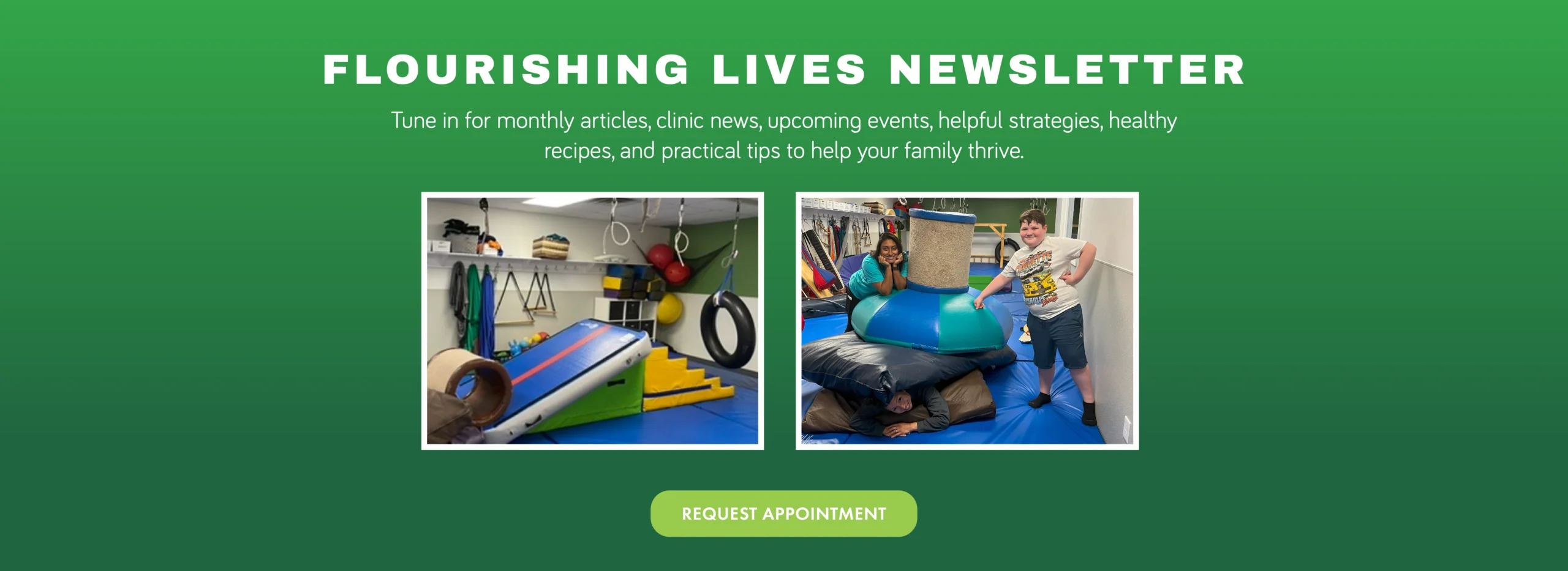

Supporting Smooth Summer Transitions with Sensory Integration Therapy
The school year’s winding down, and summer’s almost here. For many children, this is one of their favorite times of the year. But for kids with sensory processing challenges, the transition into summer can be challenging, as the change in routine also brings uncertainty or overwhelm.
Fortunately, the pediatric occupational therapists at Flourishing Lives use a sensory integration approach to help your child adjust to seasonal transitions, including the shift into summer vacation. Whether your child thrives on structure or struggles with new environments, our therapy focuses on helping them adapt, self-regulate, and participate fully in all the fun summer has to offer.

Helping Kids Build Confidence and Comfort During Summer
1. Create consistent routines even amid a flexible schedule.
Predictability helps reduce anxiety. Our team can help you and your family build daily routines that include movement, play, rest, and meals, offering some consistency even in the busy summer months.
2. Use sensory strategies to stay regulated at home and on the go.
Some children need calming tools like weighted blankets or movement breaks, while others may benefit from energizing input like swinging or playing in the water. We’ll help you find practical strategies that match your child’s unique sensory needs.
3. Build confidence in social and physical activities.
Group playdates, swimming lessons, and family events often involve noise, movement, and unpredictability, which can be stressful for kids with sensory processing challenges. We help children find strategies they can utilize in these settings, making it easier for them to participate without becoming overwhelmed.

Let’s Help Your Child Feel Capable and Calm All Year Long
Every child processes the world differently, and summer can be a great time to explore therapy in a fun, low-pressure environment. Our child-led approach uses play to support growth in self-regulation, sensory tolerance, and independence. This approach also lets kids feel more in control, especially during times of change.
Ultimately, we want to help your child feel calm, connected, and capable no matter the season. So, if your child has trouble adjusting to change or becomes easily overwhelmed during summer activities, sensory integration therapy at Flourishing Lives can help!
Interested in how we can help your child thrive this summer? Schedule an appointment with us today to get started.
Five Tips for Sensory-Friendly Summer Travel

One of the many joys of summer is the opportunity it provides to go on family vacations. Unfortunately, these mini-adventures also bring new environments, unfamiliar foods, and unpredictable routines, making them challenging for kids with sensory processing differences. Summer travel should be fun for everyone. That’s why the pediatric occupational therapists at Flourishing Lives have gathered some of our favorite tips to make summer travel smoother for your child (and the whole family).
1. Share a Sneak Preview
Before leaving, share as much as you can about where you’re going and what your child can expect. Use photos and videos to help your child visualize the destination, activities, and changes in routine.
2. Stick to Predictable Routines When Possible
Bring elements of your home routine on the road to provide comfort and familiarity even in brand-new locations. Favorite snacks, a beloved toy, and consistent bedtime routines can all help your child feel at home.
3. Pack a Sensory Travel Kit
Make sure to have a sensory-friendly travel kit handy throughout your vacation. Include calming tools your child uses regularly, such as
- Noise-canceling headphones
- Fidget toys or chewy necklaces
- Weighted lap pad or travel blanket
- Comfort items (like a stuffed animal or favorite book)
4. Plan for Movement Breaks
If you’re driving or flying, build in time for movement. Airports often have kid-friendly play areas; rest stops are a good chance to stretch, move, and burn off excess energy.
5. Prepare for Downtime
Sometimes, quiet time is the best reset. Bring a tablet with headphones, coloring books, or calming music to help your child wind down when things get too stimulating.
We Hope You Have a Wonderful Summer!
With a bit of planning and a flexible mindset, summer travel can be fun, memorable, and manageable, even for sensory-sensitive kids. And remember, the Flourishing Lives team is always available if you’d like more personalized guidance!

Patient Spotlight: Kaiser
My son, who has ADHD and sensory challenges, participated in the Safe and Sound Protocol through Flourishing Live’s program, and the improvements have been nothing short of extraordinary. A core element of the SSP is listening to specially filtered music designed to calm the nervous system and improve sensory processing. This helps individuals feel safer and more regulated.
His impulse control has significantly improved — he now takes a moment to pause and think before acting, which has made such a positive difference in his daily life and has helped keep him safe. Planning and follow-through, which used to be a struggle, are now areas of strength that he’s developing with confidence.
One of the most remarkable changes we’ve seen is his emotional regulation. He’s handling situations with greater calm and understanding, and it’s been wonderful to witness his growth in this area.
We’ve experienced so much more, but by far, the most incredible transformation has been in his confidence. He used to criticize himself constantly. Now, he’s confident in his schoolwork and play and more self-assured with friends and family. As a parent, this has been truly heartwarming to see.
I cannot say enough good things about the staff at Flourishing Lives. They are compassionate, knowledgeable, and deeply committed to helping families like ours. Their program has been life-changing for my son and our family as a whole.
If you’re considering their services, I wholeheartedly recommend them — it’s an investment in a brighter, more balanced future. Their entire team will be an asset to your family!
Curious about the Safe and Sound Protocol (SSP)?
This evidence-based listening program uses specially filtered music to help calm the nervous system, improve emotional regulation, and support sensory processing. Many families notice powerful shifts in behavior, focus, and confidence. If your child struggles with regulation, attention, or sensory challenges, SSP might be a great fit. Contact us to learn more about how this gentle, non-invasive approach can support your child’s growth and well-being!

Staff Spotlight: Janie Patel MOT, OTRL
Janie started her journey at Flourishing Lives as a Level 2 student for three months and then started working as an occupational therapist in November 2021. She attended Wayne State University as an undergrad and graduate student, receiving a Bachelor of Science in kinesiology, exercise, and sports science and a Master of Occupational Therapy. She has taken continuing education on sensory integration, primitive reflex integration, craniosacral therapy, and the PLAY Project.
Janie is passionate about working with children, as it allows her to create innovative therapeutic activities that are both effective and enjoyable for kids. She enjoys getting creative with sensory play and interactive games to meet each child’s unique needs.
Janie enjoys traveling and spending time with her family and friends outside of work. She also loves to cook and go out to try different restaurants in the Detroit area.
Helping Families Thrive
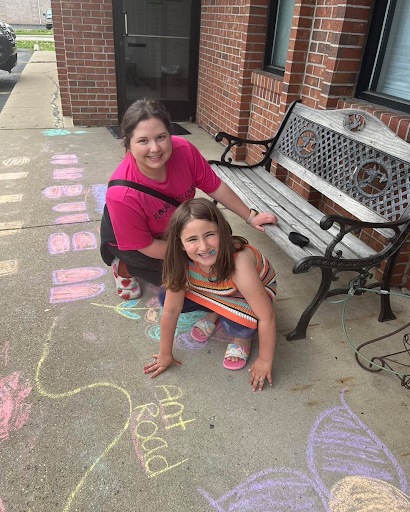
Activity of the Month: Sidewalk Chalk Obstacle Course
Do you know your child would benefit from playing on an obstacle course, but you don’t have the space or materials to create one? Don’t worry! This creative spin on the classic activity will get your child moving and using their senses.
Use sidewalk chalk to create a series of different stations filled with bright colors, various shapes, and fun movement challenges such as:
- Hopping on one foot
- Spinning in a circle
- Touching your toes
- Walk along a wiggly line
All these elements can help support motor planning, balance, and coordination.
Pro Tip: Involve your child in designing the course for an extra boost of creativity and ownership!

Recipe: Ms. Janie’s Sensory-Friendly Rainbow Rice Krispies Treats
Ingredients:
- 6 cups of Rice Krispies cereal
- 3 tbsp of unsalted butter
- 1 package (10 oz) of mini marshmallows
- 1/2 tsp of vanilla extract (optional for extra flavor)
- Food coloring (red, blue, yellow, green, or your preferred colors)
- Wax paper or a silicone baking mat for easy cleanup
Sensory Benefits
- Texture: The squishy marshmallow mixture and the crispy Rice Krispies provide tactile stimulation.
- Color: The bright, vibrant colors engage the visual senses and can be fun to sort, stack, or mix together.
- Smell: The sweet vanilla scent of the marshmallows offers a comforting smell.
- Taste: The marshmallows’ soft, slightly chewy texture, combined with the crunch of Rice Krispies, creates a pleasant mix of textures in the mouth.
Directions:
- Lay down wax paper or a silicone baking mat for easy cleanup. Have bowls ready for each color of marshmallow mixture.
- Melt the butter over low heat in a large saucepan. Add the marshmallows and stir until fully melted and smooth.
- Divide the marshmallow mixture into separate bowls (one for each color you want to make). Add a few drops of food coloring to each bowl and stir until the colors are fully incorporated. Note: Use food coloring that’s non-toxic and safe for sensory-friendly activities. If preferred, you can also use natural food coloring.
- Once the colored marshmallow mixture is ready, pour the Rice Krispies cereal into the bowl and stir to combine. Repeat this for each color of marshmallow mixture, creating different batches of colored Rice Krispies.
- Gently press each colored mixture into a baking pan or shape them into small balls, if you prefer. Layer the colors or roll them into fun shapes (like circles or squares) for added sensory exploration.
- Allow the treats to cool and firm up for about 30 minutes at room temperature. Once cooled, slice or break them into pieces for serving.
JOIN OUR THRIVE COMMUNITY!
Tools for healing, resilience, inspiration, value, and education.
Are you looking for expert guidance, a supportive network, and resources to help your family or community thrive? We’re excited to introduce the Thrive Community, a membership for our current patients and community partners that offers ongoing support, education, and connection!
WHAT’S INCLUDED?
- Weekly Office Hours: Join live Google Meet calls to ask your questions and get answers from our experts directly.
COMING SOON…
- 24/7 Access to our Library. Access frequently answered questions anytime.
- Exclusive Content: Access resources, articles, and tips for growth.
- Supportive Community: Connect, share stories, and gain perspectives.
WHY JOIN THE THRIVE COMMUNITY?
- Get expert advice from experienced professionals.
- Empower your journey with tools to build inspiration and resilience.
- Stay connected and supported, even outside of regular therapy sessions.
1:1 Therapeutic Consultation
At Flourishing Lives, our therapeutic consultation program helps parents and family members actively engage and understand their child’s therapy journey.
Our daytime therapeutic consultative service gives parents a private space to discuss treatment options, manage everyday challenges, and actively support their child’s progress. Scheduled while your child is at school, these sessions allow for open, candid conversations without distractions. You’ll gain practical strategies to foster a positive and supportive environment at home and within the community.
Highlights
- Personalized guidance
- Ongoing support
- Feel empowered
- Increased involvement
- Reduce anxiety
- Gain more tools for success
Getting started is easy! Contact us to schedule your consultation for a smooth, supportive experience.
- 1 session for $180
- 4 sessions for $520