


Managing Sensory and Communication Challenges at Home and School
As the days grow longer and spring begins to bloom, routines often shift along with the season. There are more opportunities for outdoor activities, and at school, kids are sliding into the home stretch before summer.
While seasonal changes can place extra demands on a child’s nervous system, making it harder for them to stay regulated during chores, homework, and classroom routines, especially if your child would rather enjoy the warmer weather than sit in a classroom. You might notice more frequent meltdowns or feel like your child has a harder time holding attention.
At Flourishing Lives, we know how difficult these challenges can be. Fortunately, our team is here to help your child feel more regulated and confident, even in the busy spring months.

When Regulation Feels Too Hard
Kids rely on their sensory systems to stay organized and ready to learn. When this system feels out of sync, they may:
- Overreact to noise, clothing textures, or bright lights
- Seek constant movement or appear “on the go.”
- Struggle to sit still or attend to tasks
- Avoid messy play or certain foods
- Shut down or withdraw in busy environments
Essentially, when a child feels overwhelmed by sensory input, their brain shifts into a fight, flight, or freeze response, which makes learning, concentration, and communication that much harder. As a result, they might have difficulty with morning routines, homework, or transitions between activities (especially moving from something they want to do to something they don’t).
It’s important to understand that when kids freeze up or act out in these situations, they aren’t being defiant or misbehaving. They’re just expressing that their nervous system feels overwhelmed and disorganized.
Overwhelm and Communication Skills
Sensory overwhelm can also lead to communication challenges. In fact, language skills and self-regulation are closely connected. When kids cannot clearly express their needs, their frustration rises. But when they feel regulated and safe, their language and communication skills are much more accessible.
If your child is struggling with sensory overwhelm, you might notice that they:
- Miss multi-step directions
- Need extra time to respond to questions
- Say “I don’t know” instead of explaining
- Use behavior to express themselves instead of words
- Avoid social interaction
Without the right support, these patterns can repeat, leading to more frustration all around.
The Flourishing Lives Team Is Here to Help!
Fortunately, you don’t have to navigate these challenges on your own. Our speech and occupational therapists take time to understand the “why” behind your child’s behaviors and communication challenges so we can support their nervous system and build skills in a way that feels safe and effective.
We always take a play-based, child-centered approach to therapy, and we know that kids learn best when their nervous systems feel calm and organized. Some of the strategies we might use include:
- “Heavy work” activities like pushing, pulling, or carrying to provide calming body input
- Movement activities that strengthen balance and coordination
- Deep pressure techniques to help the body feel grounded
- Structured sensory breaks to improve focus
- Environmental adjustments to reduce overwhelm at home or school
These strategies help kids respond to sensory input in a more balanced way, which can improve attention, transition between activities, and manage their emotions with greater confidence.
Reach Out To Learn More
Sometimes sensory or communication challenges affect daily life in significant ways, but they can also be subtle. If you feel your child may be struggling, the team at Flourishing Lives is here to help. Reach out to schedule an evaluation with one of our therapists to determine whether treatment at Flourishing Lives is the right fit for your family.
Don’t Wait and Wonder!
Early Intervention Can Make a Lasting Difference
As a parent, you notice all the small ways your child may be struggling. Maybe they seem more sensitive than their peers or have a hard time with transitions. Maybe they have difficulty expressing their thoughts clearly. Or perhaps they just seem to get easily frustrated.
Whatever the concern, it can be tough to know whether it’s “just a phase” or something that might benefit from extra support. In fact, many families hesitate before reaching out to our team! They might worry that their concerns aren’t significant enough or that they’re overreacting to a normal part of their child’s development.
Unfortunately, this uncertainty can leave families in a holding pattern, unsure whether to wait or act. But at Flourishing Lives, we generally think that it’s better to reach out than to wait and see.
The Problems with Waiting It Out
Everyone knows that children are always growing and learning, and that every child’s journey looks different. That said, when your child is experiencing challenges, early support can often make things more stressful for both you and your child. You might start to see more difficulties with day-to-day activities, like:
- Morning routines
- Classroom participation
- Peer relationships
- Confidence during play
- Family stress levels
Without support, these patterns may become more ingrained. For example, a child who struggles to process sensory input may want to avoid busy settings (like a crowded classroom). Or a child who has difficulty expressing thoughts may start to rely on behavior and acting out instead of using their words. This just leads to more frustration that early intervention can help avoid.
Why Early Support Doesn’t Mean Something Is Wrong
Seeking help for minor (or even major) concerns isn’t about labeling a child with a diagnosis. Rather, it’s about providing them with a helping hand as they learn to navigate the world.
It’s important to understand that early childhood is a critical period for brain development. The neural pathways that support movement, regulation, and language are still forming. When support is introduced early, the brain is more responsive to change, and kids generally have better outcomes.
What Early Intervention Looks Like at Flourishing Lives
Our team can help you better understand your child’s unique needs through a comprehensive assessment that looks at:
- Sensory processing
- Fine and gross motor skills
- Emotional regulation
- Language comprehension
- Expressive communication
It may be that your child’s difficulties are typical for their age, and our team can provide you with home strategies to address any challenges. But if we do recommend extra support, we’ll work closely with you, your family, and your child to create a plan focused on making real progress. This plan might include:
- Sensory integration activities that help the brain organize input more efficiently
- Structured routines that reduce overwhelm
- Environmental adjustments for home and school
- Social communication coaching for conversation skills
- Emotional labeling to reduce frustration
Don’t Be Afraid to Contact Our Team!
If something about your child’s development has been weighing on you, it’s worth paying attention to that instinct. You don’t need to have all the answers before you reach out, nor do you need to wait for significant academic struggles or frequent daily meltdowns. Early questions are just as valid as urgent concerns, and addressing them sooner often leads to simpler, more effective solutions.
Talking with the team at Flourishing Lives helps you better understand your child’s strengths, identify areas that may need support, and provide practical next steps. In many cases, parents leave feeling reassured and empowered with tools they can begin using right away. We’re always happy to help families with any questions about their child’s development, so don’t hesitate to give us a call! Taking that first step can replace uncertainty with a clear path forward. That way, your child can continue to grow with confidence.
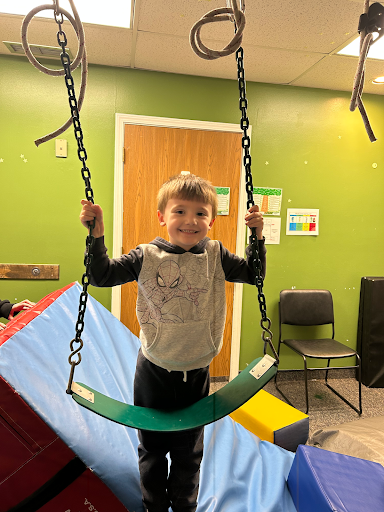
Patient Spotlight:
Henry
Henry has been attending occupational therapy since November 2024 and has made meaningful gains in gross motor skills, language, and overall confidence. He now navigates equipment with improved balance, attempts more challenging tasks, and can complete dynamic and suspended activities multiple times, including sequencing a six-step obstacle course. His strength has also improved, with his trapeze hanging time increasing from 10 to 30 seconds.
Henry continues to show progress in motor planning, attention, and adaptability. He engages in up to three new tasks per session with minimal assistance, participates in non-preferred activities for longer periods, and is more involved in clean-up routines. These improvements are supporting greater body awareness, confidence, and participation in play and daily activities. Henry has attended speech therapy at Flourishing Lives since March 2025, making significant gains toward producing intelligible and fluent speech. He previously presented with a stuttering disorder, but has since achieved all of his fluency goals and now produces fluent speech independently. Through hard work and practice, he has also made great strides in producing the L and Sh sounds. He is now able to appropriately lift his tongue up to produce L in short words such as “Laaa” and is working towards producing more Sh words. Keep up the great work, Henry!

Staff Spotlight:
Alea
Alea is a Speech-Language Pathologist who discovered her passion for the field after exploring an introductory course in speech pathology, which confirmed her desire to pursue the profession. She earned her Bachelor’s Degree in Communication Sciences and Disorders from Central Michigan University and completed her graduate studies at Wayne State University, moving away from her small hometown to follow her professional goals.
Throughout her career, Alea has gained experience across a variety of outpatient pediatric settings, with a particular focus on supporting the neurodiverse population. As an individual with ADHD, she is a strong advocate for neurodivergent-affirming practices and is committed to helping clients access the support they need. Alea finds the most fulfillment in empowering clients to find their voice—regardless of the modality used—and tailoring interventions to each client’s unique strengths and needs.
Outside of work, Alea enjoys spending time with family and friends, staying active, reading, watching rom-coms, and exploring new places. She values bringing creativity, empathy, and enthusiasm to her work, helping each client achieve meaningful and individualized growth.
Helping Families Thrive

Activity of the Month:
Get Outside and Grow This Spring
With winter finally starting to thaw, your kids are probably eager to get outside! Fortunately, spring’s warmer weather and longer days offer plenty of opportunities to build skills through outdoor play. Here are some fun activities that provide powerful sensory input, strengthen communication, and support emotional regulation–all while making the most of early spring.
1. Spring Obstacle Course Adventure
Set up a simple obstacle course in your yard or driveway using items like:
- Chalk circles for “puddles” to jump over
- Cones or buckets to weave around
- A picnic blanket tunnel to crawl under
- A basket of “garden supplies” (balls or books) to carry
Provide clear directions to encourage your child to interact with each stage of the obstacle course. For extra communication practice, ask your child to repeat directions back to you or practice sequencing with statements like, “First jump over the puddle, then crawl under the blanket.”
If it’s still too chilly for outdoor play, create a spring-themed obstacle course inside with silk flowers, plastic garden tools, and stuffed animals.
2. Nature Scavenger Hunt
Before heading out on a nature walk, create a short checklist of items for your child to find. You might include things like:
- Something green
- Something rough
- A flower
- A stick
- Something soft
As your child finds each item, encourage them to describe it with descriptive language by asking questions like “How does it feel?” or “Is it bigger than your hand?” You can also have your child carry the collected items in a small bag for added heavy work.
3. Seed Planting & Growth Journal
Encourage your child to plant some seeds and watch how they grow. Provide a small starter pot and have your child plant a handful of seeds by digging a hole, covering them with soil, and watering them.
Then ask your child to create a simple growth journal. Each day, draw a picture or write one sentence about changes they notice. You can also talk about what plants need to grow and compare that to what people need.
Ribbon Cutting Success!

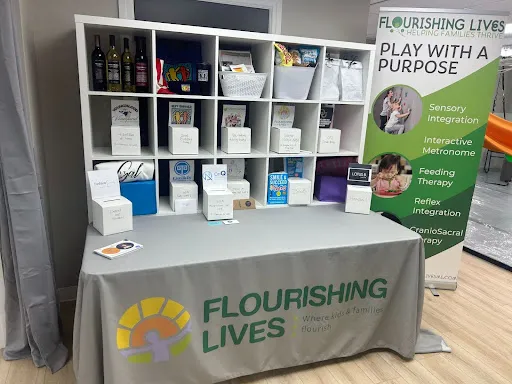





Community Events
Autism Alliance Of Michigan Navigating Autism Today Conference
Two of our therapists, Morgan and Nicole, will be presenting at the Navigating Autism Today Conference on Friday, March 6th, in Novi, Michigan. They’ll be speaking on integrating sensory-based occupational and speech therapy into autism care.
Care Parenting Conference
Our clinical director, Sheena Patel, will be presenting at the Care Parenting Conference on Saturday, March 7th, at Macomb Intermediate School District. She’ll be sharing a presentation about helping kids regulate through trauma and sensory challenges.
Recipe of the Month:
St. Patrick’s Day Popcorn

Ingredients:
- 4 quarts popped popcorn
- 1 cup sugar
- 1/2 cup packed brown sugar
- 1/2 cup water
- 1/2 cup light corn syrup
- 1 teaspoon white vinegar
- 1/4 teaspoon salt
- 1/2 cup butter
- 8 to 10 drops green food coloring
Directions:
- Place popcorn in a large roasting pan; keep warm in a 250° oven.
- Meanwhile, in a large heavy saucepan, combine the sugars, water, corn syrup, vinegar, and salt. Cook and stir over medium heat until the mixture comes to a boil. Cook, stirring occasionally, until a candy thermometer reads 260° (hard-ball stage).
- Remove from the heat; stir in butter until melted.
- Stir in food coloring until the desired shade of green
- Drizzle over warm popcorn and toss to coat.
- Cool and break into pieces. Store in an airtight container so you and your family can enjoy a fun, spring-themed treat!

Feel confident at the table again—without the power struggles
Mealtimes don’t have to be this hard
- You’re doing everything you can—cutting food just right, offering all the favorites, reading every tip online.
- And still, your child refuses to eat. Or cries. Or gags. Or throws their plate.
- You’re not failing. You’re just missing the right support.
- “Let’s change that”