


Support Your Child’s Sensory Needs Through the Seasons
If you struggle with seasonal affective disorder (or even if you just have a hard time adjusting when we set the clocks back or spring them forward), then you understand how seasonal transitions can affect your health and wellness.
The same is true for kids with sensory processing difficulties. All those subtle (and not-so-subtle) shifts in weather, daylight, and routines can impact sensory processing, which can lead to overstimulation, withdrawal, or difficulty focusing.
However, understanding these effects and taking proactive steps to help your child regulate their sensory needs can make a big difference in keeping them happy and healthy all year long. Sensory integration activities and tools we use at Flourishing Lives are essential in supporting your child’s development, smoothing transitions, and empowering them to navigate seasonal changes confidently.

Seasonal Changes and Sensory Regulation: What You Need to Know
Children with sensory processing differences perceive and respond to their environment in unique ways. As seasons change, they encounter new sensory inputs that can be overstimulating or disruptive, leading to increased meltdowns, withdrawal, or trouble focusing.
Three Examples of Seasonal Changes (And How They Might Affect Your Child)
Temperature Changes
Cold weather often brings new sensations: layers of clothing, brisk winds, and chilly environments. For children with sensory sensitivities, these changes can feel overwhelming. They may resist wearing winter gear or become restless from spending more time indoors.
Limited outdoor activities also reduce opportunities for proprioceptive input and activities like running or being out in nature, which can affect their focus and regulation.
Variations in Daylight
Shorter days bring less sunlight, which interferes with sleep patterns and impacts mood and energy levels. For some kids, less natural light can intensify mood swings, make emotional regulation harder, or heighten their sensory challenges.
Altered Routines
Wintertime is filled with disrupted routines: school breaks, holidays, and snow days can lead to a sense of unpredictability, which can be stressful for kids who feel secure in their routines. These changes can lead to heightened anxiety or difficulty adjusting to new schedules.
Helping Your Kids Manage Seasonal Transitions
Fortunately, there are several simple steps you can take to help your children navigate this challenging time of year. With the right strategies, you can turn seasonal transitions into opportunities for sensory exploration and growth.
1. Encourage Movement and Sensory Play
Movement-based activities are key for sensory regulation and motor development.
- Engage your child in indoor activities that utilize gross motor skills and spatial awareness, such as rolling up in a blanket burrito or creating an indoor obstacle course out of pillows, therapy balls, and tunnels.
- Have your child help with heavy work activities, like carrying books or a weighted laundry basket. These types of activities provide calming proprioceptive input.
- Set up a winter-themed sensory bin filled with cotton balls, ice cubes, bits of wool, or fake snow. Add scoops, tongs, and small toys to encourage fine motor skills and tactile exploration.
2. Create a Sensory-Friendly Environment
Designing a supportive environment helps children feel safe and grounded.
- Maximize exposure to natural light by keeping curtains or blinds open during the day.
- Maintain consistent room temperatures and provide plenty of cozy options, such as weighted blankets or textured throws, for additional sensory input.
- Designate a quiet space where your child can decompress if they feel overstimulated. Provide your child with sensory tools like fidget toys, noise-canceling headphones, or sensory brushes to further help them decompress.
- Create a calming “womb space” where your child can decompress if they feel overstimulated. Enhance the area with sky lights and sound machines to create a soothing ambiance. Include sensory tools like fidget toys and a weighted blanket to further support their relaxation.
3. Gradually Introduce Seasonal Textures
Transitioning to winter clothing can be challenging for kids who struggle with certain textures.
- Let your child explore new clothing or accessories–such as a heavy winter coat or thick scarf–in a calm setting before they need to wear them.
- If your child struggles with certain fabric textures, look for sensory-friendly clothing options, such as seamless socks or tag-free shirts.
- Engage in sensory play using seasonal items, like mittens or sled toys, to familiarize your child with winter sensations in a fun way.
4. Stick to Predictable Routines
Children with sensory differences benefit from consistent schedules.
- Maintain regular mealtimes, bedtimes, and activity schedules whenever possible.
- Use visual schedules, timers, or countdowns to transition between tasks to minimize surprises.
- When your child’s schedule changes, be sure to explain it using social stories or visual aids ahead of time.
5. Offer Sensory Tools to Provide Comfort
Sensory tools are invaluable during seasonal transitions.
- Use noise-canceling headphones during events like holiday gatherings or crowded shopping trips.
- Keep a sensory toolkit on hand, filling it with items like fidget toys, weighted blankets, or chewable necklaces.
- Try calming activities like deep breathing or yoga to help your child relax. We often incorporate these into sessions at Flourishing Lives to support self-regulation.
Helping Your Child Enjoy the Seasons
Seasonal transitions can feel overwhelming for kids with sensory difficulties, but small, consistent actions can make a big difference. Working to create a predictable, sensory-friendly environment can help empower your child to face natural changes with more ease. And remember: if you’re looking for additional support or personalized strategies for your child, the Flourishing Lives team is here to help. Contact us today to set up an appointment.
Help Kids Manage Sensory Issues with Winter Play
Outdoor playtime is an important aspect of managing sensory issues. It allows kids to engage their imagination, develop motor skills, and experience new sensory inputs–all while having fun!
Unfortunately, many people think that winter’s cold temperatures and snowy weather limit the potential for outdoor play, but that’s not actually true. Instead, it provides unique sensory experiences that can benefit kids with sensory processing challenges. From sledding to building a snowman, winter activities can help children navigate sensory needs in a seasonally relevant way.
Five Benefits of Outdoor Winter Play
1. It Provides a Multisensory Experience
Winter offers unique sensory experiences that simply don’t exist during the summer: fluffy snow crunching underfoot, a burst of chilly air, snowflakes melting on your tongue. Encourage your child to explore activities that engage all their senses, incorporating heavy work as well as proprioceptive and vestibular input. Here are some examples:
- Build a snowman or make other snow sculptures–try textured mittens to add an extra tactile element
- Create snow angels
- Scoop, shovel, and pack snow to build strength and coordination
2. It Encourages Full-Body Movement
Outdoor play is one of the best ways for kids to move their entire bodies, which is important for regulating emotions and energy levels. Full-body movement also helps kids improve their coordination and strengthen their muscles. Get your kids moving with these activities:
- Sledding down a hill (walking back up to the top builds strength and stamina)
- Going for a nature walk to explore snowy trails
- Climbing snow piles to engage core strength and balance
3. It Boosts Kids’ Imagination
Winter can transform an ordinary yard into a wonderland, providing new opportunities for imaginative play. For example, kids can imagine they’re astronauts exploring an ice planet–which might involve building an ice fort for shelter! Not only are they engaging in their creativity, but they’re also developing communication and problem-solving skills and practicing teamwork. Here are some ways you can encourage this type of play:
- Freeze containers of ice to use as building blocks
- Encourage kids to play-pretend they are explorers, scientists, or polar animals in Antarctica
- Add drops of food coloring to “paint” the snow
4. It Exposes Kids to Natural Light
The lack of natural light in wintertime can really take its toll on kids, so it’s important to encourage your children to play outside when it is daylight. Encouraging outdoor play during daylight hours–even if it’s cold–helps elevate mood, promotes good sleep, and ensures your kids are getting their vitamin D. How to make sure it happens:
- Schedule outdoor playtime during the brightest parts of the day, like mid-morning or early afternoon–especially on the weekends.
- Plan family outings that make the most of the outdoors, like sledding trips or visiting a winter park.
- Sunglasses or wide-brimmed hats can help make outdoor time more comfortable for light-sensitive children.
5. It Improves Resilience and Adaptability
There’s no denying that winter brings its share of challenges, from braving the cold to navigating across icy surfaces. Winter play encourages children to navigate challenges, helping them build confidence, problem-solving skills, and independence. Help your kids navigate winter with a few simple safety tips:
- Dress your child in sensory-friendly layers, such as tagless shirts, soft scarves, or lightweight waterproof boots.
- Start with shorter outdoor sessions to avoid overwhelming your child. Watch for signs of discomfort, like shivering.
- Celebrate your child’s efforts by offering warm drinks or engaging in quiet time afterward in a cozy, sensory-friendly space.
Celebrate The Joys of Outdoor Winter Play
Outdoor winter play can be a fun, therapeutic way to address sensory needs. So encourage your child to embrace the season—after all, it’s an opportunity for growth, learning, and joy! Want more tips on sensory-friendly activities? Schedule an appointment with the Flourishing Lives team today!
Activity of the Month: Winter-Themed Sensory Play
Think winter is too gloomy for sensory play? Think again! There are several fun and seasonally appropriate ways your child can explore textures, movements, and sensations, whether out in the snowy landscape or tucked away inside a warm house. No matter the season, sensory play is an excellent way to support your child’s motor skill development, sensory processing, and emotional regulation. It’s also fun! Here are some of our favorite wintertime activities for helping kids spark curiosity and creativity while exploring new textures, sights, sounds, and movements.
Outdoor Sensory Play Ideas
Outdoor play is an important part of kids’ development, so bundle up and head outside for these unique activities.
Snow Painting
Freshly fallen snow makes a great canvas. To create “paint,” fill spray bottles with water and food coloring. Using the spray bottles helps build fine motor skills, strengthens hand muscles, and encourages creativity as your child creates patterns and designs on the snow.
Winter Nature Walk
Winter is a wonderful time to go for a nature walk, as it offers unique multisensory input your kids can’t experience during the warmer season, such as crunching snow, the smooth surface of icicles, and rattling tree branches. These activities support sensory processing and build awareness of environmental cues.
Building a Snowman
This classic wintertime activity offers many great benefits! Rolling and packing the snow helps improve gross motor skills, collaboration, and problem-solving. Adding the snowman’s features, clothes, and props encourages creativity and self-expression.
Indoor Sensory Play Ideas
No snow this year? Is the weather too cold or rainy to go outside? Bring a winter wonderland inside with these sensory-rich activities.
Snow-Themed Sensory Bin
If the weather isn’t cooperating, recreate the experience of playing in the snow with cotton balls, shaving cream, or artificial snow. Create a “snowy” landscape in a plastic bin, then add winter-themed toys, scoops, and containers to help encourage tactile exploration, fine motor skill development, and imaginative play.
Hot and Cold Sensory Bins
Create a unique sensory play experience with temperature contrasts. Set up a station with one tub containing warm water and another containing ice. Mix in some winter-themed toys, such as small plastic animals or snowflake cutouts, for a simple but engaging sensory experience that helps develop tactile processing skills and introduces early concepts of temperature differences.
To add an element of problem-solving to the sensory bins, try freezing small toys or other goodies in a block of ice. Provide your child with tools to “excavate” the treasures–for example, a bowl of warm water, different-sized spoons, or a pipette.
Cozy Blanket Forts
This activity is a great choice for those dark, dreary winter days. Use blankets, cushions, pillows, fairy lights, and any other available and appropriate household items to transform a room into a DIY playland. Constructing the fort encourages problem-solving and collaboration, and the finished space can serve as a quiet sensory retreat where kids can read, draw, and play.
Want More Tips or Support This Winter?
Our team at Flourishing Lives is here to support your child’s growth through fun and meaningful activities. Sensory play is just one of the many ways to help children explore their world and develop essential skills. Schedule an appointment today to learn more about our approach!

We’re so proud of Leo’s growth and can’t wait to see what’s next for him. Keep up the great work, Leo!
Patient Spotlight: Leo
This month, we’re excited to feature Leo, a bright and energetic young boy known for being fun-loving and sociable. Leo enjoys interacting with both peers and adults and has made tremendous progress in Speech and Occupational Therapy at Flourishing Lives!
Speech Therapy
Leo began speech therapy at Flourishing Lives in October 2024 and has already made impressive strides. A significant milestone for Leo has been his ability to express his thoughts using 2-4-word sentences! Leo has also made excellent progress in working on prepositions (connecting words like on, under, or behind) and is excelling at understanding spoken language through games like hide and seek.
One of Leo’s favorite activities in speech therapy is engaging with small farm figurines. While he used to give his characters voices that were hard to understand, Leo now uses clearer language. For example, in a recent session, he had one of the characters say, “Come on, Leo. It’s time to go to bed.” It’s been amazing to witness Leo’s vocabulary grow!
Leo’s consistency with safety awareness is also improving, as he shows more reliability in staying with his mother and SLP during sessions. Leo’s mother shared that he is highly motivated to continue learning through homeschooling. What an inspiring young learner!
Occupational Therapy
Leo has worked with our occupational therapists since 2020, and his growth has been incredible. When he first started, he had challenges with communication and impulse control. Through his work with our team, Leo has made great strides in regulating himself, allowing him to engage in functional play and ask for what he wants rather than grabbing. He’s also improved his ability to follow directions and has begun developing social skills.
Leo is now interested in engaging with peers, and though he’s still learning how to take turns and keep everyone safe during play, his progress is inspiring.
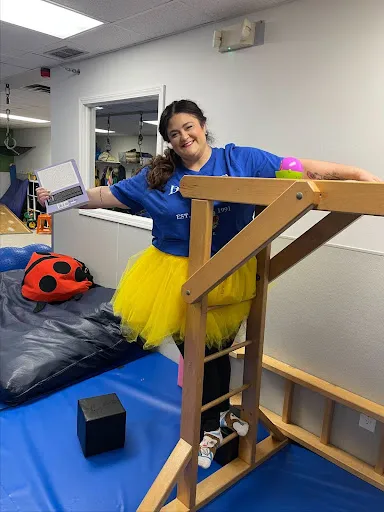
Finally, Cara cherishes cozy moments at home, curled up on the couch with her dogs and a good book.
Staff Spotlight: Cara Clark, MOTRL
Cara’s journey with Flourishing Lives began in 2013 as a fieldwork student, where her passion for the practice quickly blossomed. While still in graduate school, she joined the administration team and, by 2014, became an occupational therapist with the company. Cara earned her bachelor’s degree in Interdisciplinary Studies for Health Science, with a minor in Anthropology, from Michigan State University. She then attended Wayne State University, where she obtained a second bachelor’s degree in Health Science and a master’s degree in Occupational Therapy.
With extensive training in feeding therapy for clients ranging from infants to adults, Cara has developed a personalized approach to feeding that focuses on tailoring treatment plans to each individual’s specific needs. Her background in trauma equips her with the empathy and compassion necessary to create a safe, supportive environment, fostering confidence and resilience in her clients. Additionally, her deep understanding of sensory integration and her holistic, play-based methods promote growth while addressing the fundamental skills required for success in daily life. Outside of her professional life, Cara and her husband have three dogs they love to spoil: Charlie Girl, Dr. Cam Sandwich, and Anna Beth. She has a deep love for music, dance, and creativity, and she’s a former dance instructor who has worked with recreational, competitive, and special needs students.
Cara also loves to spread joy through cooking and baking, and she’s always happy to share her creations with others. In fact, you can find some of her recipes in our newsletters! She’s an enthusiastic traveler, having visited thirteen different countries, and frequently spends time with family in Florida. She’s a proud Disney Adult and a devoted Harry Potter fan (Ravenclaw pride!).
Helping Families Thrive

Easy Puff Pastry Cream Cheese and Berry Danishes
Original Recipe From: Our Best Bites
Prep Time: 15 minutes
Cook Time: 15 minutes
Ingredients:
- 1 standard box puff pastry 2 sheets thawed in fridge overnight
- 8 ounces cream cheese softened
- one egg yolk
- 3 tablespoons granulated sugar
- 1/4 teaspoon vanilla extract
- 1/2 teaspoon almond extract
- about 6 tablespoons berry jam
- 3/4 cup powdered sugar
- 1/4 teaspoon almond extract or vanilla extract
- water
- 1 egg
- 2 tablespoons water
- coarse sugar (optional)
Directions:
- Line a rimmed baking sheet with parchment paper and set aside.
- In a medium mixing bowl, whip cream cheese until fluffy and smooth. Add egg yolk, sugar, and extracts and mix until smooth, set aside.
- Remove puff pastry sheets from packaging. Working with one at a time, unfold onto lightly floured work surface. Use a rolling pin to very lightly roll pastry in all directions, keeping it in an even rectangle shape. Dough should not extend more than about 1/2-1 inch on all sides.
- Cut dough one direction on each of the 2 folded creases. Cut dough just one more time the other direction, down the center, creating 6 even rectangles. Place rectangles evenly spaced on baking sheet. Using a knife, lightly score each rectangle about 1/4 inch in on all sides. Do not cut all the way through the dough.
- Place a heaping tablespoon of cream cheese filling in the center of each rectangle and gently spread it around slightly, but not extending over the scored parts of the dough. Create a slight well in the center of the cheese mixture and fill with 1-1 1/2 teaspoons jam if desired.
JOIN OUR THRIVE COMMUNITY!
Tools for healing, resilience, inspiration, value, and education.
Are you looking for expert guidance, a supportive network, and resources to help your family or community thrive? We’re excited to introduce the Thrive Community, a membership for our current patients and community partners that offers ongoing support, education, and connection!
WHAT’S INCLUDED?
- Weekly Office Hours: Join live Google Meet calls to ask your questions and get answers from our experts directly.
COMING SOON…
- 24/7 Access to our Library. Access frequently answered questions anytime.
- Exclusive Content: Access resources, articles, and tips for growth.
- Supportive Community: Connect, share stories, and gain perspectives.
WHY JOIN THE THRIVE COMMUNITY?
- Get expert advice from experienced professionals.
- Empower your journey with tools to build inspiration and resilience.
- Stay connected and supported, even outside of regular therapy sessions.
1:1 Therapeutic Consultation
At Flourishing Lives, our therapeutic consultation program helps parents and family members actively engage and understand their child’s therapy journey.
Our daytime therapeutic consultative service gives parents a private space to discuss treatment options, manage everyday challenges, and actively support their child’s progress. Scheduled while your child is at school, these sessions allow for open, candid conversations without distractions. You’ll gain practical strategies to foster a positive and supportive environment at home and within the community.
Highlights
- Personalized guidance
- Ongoing support
- Feel empowered
- Increased involvement
- Reduce anxiety
- Gain more tools for success
Getting started is easy! Contact us to schedule your consultation for a smooth, supportive experience.
- 1 session for $180
- 4 sessions for $520