

Navigating Holiday Feeding Challenges
The holidays are just around the corner, and we’re excited about all the joy and celebration they bring–not to mention the special treats! From Thanksgiving turkey to Grandma’s once-a-year sticky toffee pudding, food is one of the most significant ways we celebrate the holidays.
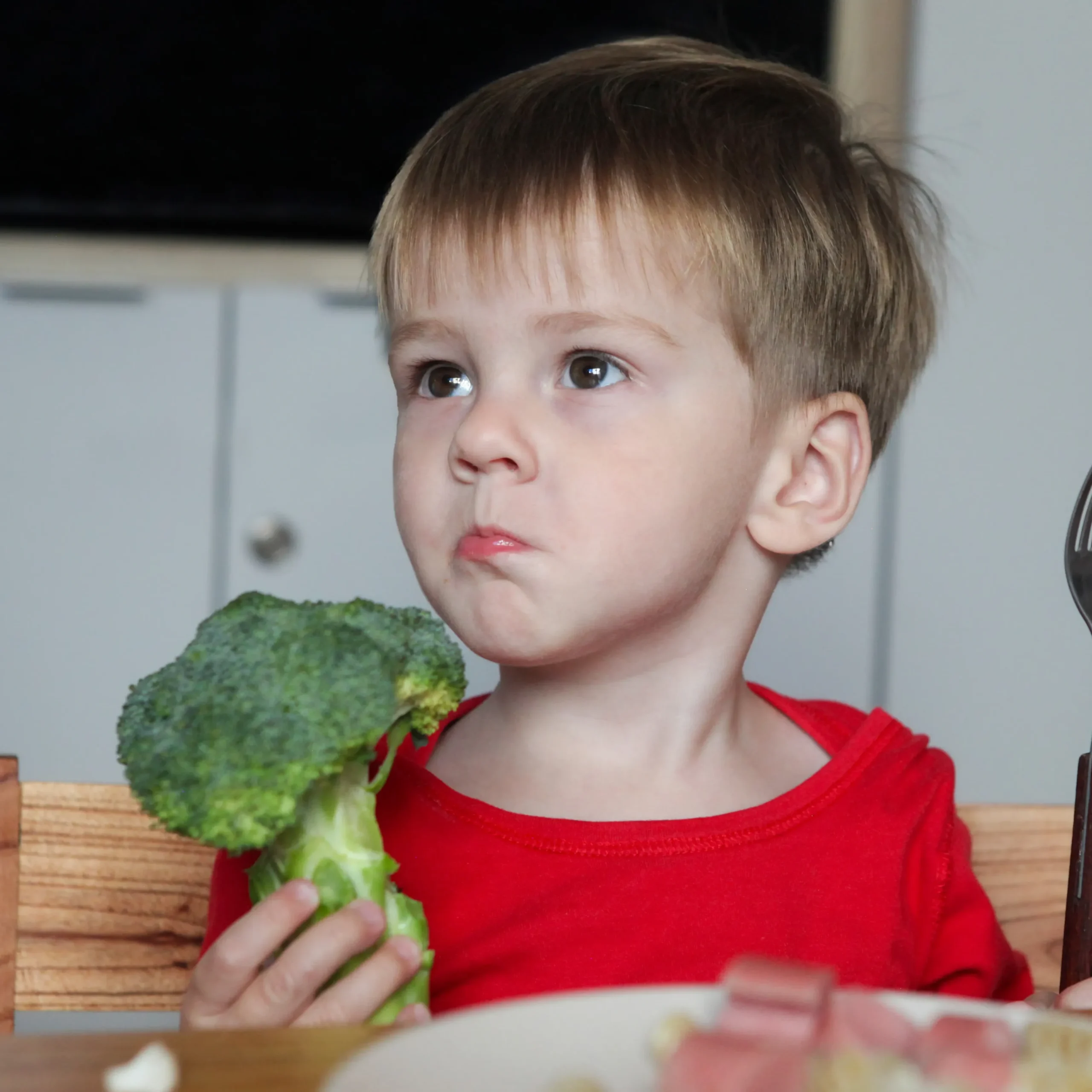
Unfortunately, this can also make the holiday season stressful for kids with feeding challenges or picky eating habits. Unfamiliar dishes, noisy gatherings, and changes in routine can all add up, leaving your child struggling and unable to enjoy the experience.
However, a few simple strategies can help alleviate some of these concerns. That way, the season runs more smoothly for everyone.
New Location Coming Soon!
811 Oakwood Drive, Suite 102 & 103, Rochester, MI 48307
6 Tips For Less Stress During Holiday Meals
- Prepare Your Child Ahead of Time: One of the main reasons holiday meals can be stressful for kids is that they’re full of surprises–and not necessarily in a good way. Talking with your child about what they can expect will help ease some of that anxiety. Set aside time before the meal to talk about what types of foods will be served and explain what mealtime will look like. Tools like a visual schedule or social stories will prepare your child for new experiences so they feel exciting, not overwhelming.
- Gradually Introduce New Foods: As part of that pre-meal preparation, we suggest offering small tastes of new foods alongside your child’s favorites. For example, if you’re worried your child might not like your aunt’s famous cornbread stuffing, make a batch ahead of time so your child can try it out alongside their favorite chicken strips. The key is to avoid pressure. Allow your child to decide when and how much to try, and encourage exploration through touch, smell, and play.
- Maintain Routine Whenever Possible: Disruption in routines is another major reason why holiday meals can be so stressful for kids. You can minimize that stress by keeping to your usual routine as much as possible. For example, try not to change up meal and snack times during holiday travel. If the big holiday meal will be earlier or later than usual, keep a favorite snack on hand. You can also bring familiar utensils or a favorite cup to help your child feel more comfortable during the meal itself.
- Use Positive Reinforcement Throughout the Season: It’s important to remember that your child’s negative reactions to food are not a result of bad behavior, which is why positive reinforcement is so important as you work to prepare them for the holidays. Always celebrate small successes, like touching or smelling a new food. If your child refuses food, frame it as positive by praising their willingness to try. Encourage family members to do the same, so your child feels supported by everyone at the table.
- Make Meals Fun and Interactive: Involving your child in mealtimes can go a long way toward easing their anxiety! Meal prep is full of fun, sensory-friendly activities like mixing ingredients or cutting soft foods, plus it helps kids feel like they’re part of the proceedings. If helping with meal prep isn’t possible, there are other ways for kids to get involved. Offer your child simple roles like setting or decorating the table so they still feel included.
- Keep Portions Small: The classic holiday spread of various seasonal dishes can be an overwhelming blend of textures, smells, and sights. Offer your child small servings of each dish to help prevent that overwhelm, and encourage them to ask for more if they like something. This gives kids a sense of control and helps them approach new foods at their own pace.

Need a Little Extra Help?
Our Team Is Here For You
The holidays don’t have to be a sensory nightmare. In fact, they’re actually a great time to practice new foods in a fun, playful way, especially if you take care to avoid any pressure. After all, every small step toward trying new foods is a success!
If you’d like more personalized guidance to help your child navigate holiday meals, reach out to Flourishing Lives. Our team will be happy to find solutions that work for your family!
How To Boost Your Child’s Communication Skills During The Holidays
The holidays aren’t just a great time to try out new foods. They also provide the perfect opportunity to practice speech and language skills. From holiday parties to big family gatherings, this time of year is full of conversation and social interactions. Here’s how you and your family can make the most of it!
Fun, Simple Strategies to Support Your Child’s Communication This Year
- Build Language Through Holiday Routines
- Talk your child through holiday tasks, like decorating, baking, or wrapping gifts.
- Describe seasonal activities or objects as a way to introduce new vocabulary. For example, you might say, “That ribbon is red and shiny.”
- Encourage your child to follow multi-step directions during holiday activities. For example, you might say, “Take the ornament, hand it to me, and then place it on the tree.”
- Use the Season to Expand Conversation Skills
- Introduce seasonal words related to the weather, holiday foods, or your family’s traditions.
- Play holiday-themed guessing games or I Spy to encourage descriptive language. This can also double as a way to pass the time on a long car trip!
- Ask your child open-ended questions about their holiday experiences. For example, ask, “What do you like most about wrapping presents?”
- Practice Social Communication Before and During Gatherings
- Before heading to a party, role-play different scenarios with your child. For example, you may practice saying thank you for a gift or asking permission to look at a delicate decoration.
- Encourage your child to practice greetings, polite requests, and turn-taking during gatherings.
- Make It Fun with Music and Stories
- Sing your child’s favorite holiday songs together, emphasizing clear pronunciation and rhythm.
- Read festive stories or poems together (such as “The Night Before Christmas”). Ask your child to retell parts or predict what happens next.
- Keep Communication Practice Short and Positive
- Avoid overwhelm and frustration by practicing communication skills in small, manageable sessions.
- Always celebrate your child’s successes, no matter how small!
A Great Time of Year to Practice Communication
The holiday season naturally lends itself to practicing social and communication skills. Be mindful of opportunities as you and your family celebrate. Decorating the house, baking cookies, or shopping for gifts all provide real-life situations where children can sharpen their skills. And remember, if you’d like more tips from the Flourishing Lives team, just give us a call!

Patient Spotlight: Theo
Theo has made incredible progress since starting at Flourishing Lives! His mom shared that he has grown in so many ways. He’ll even be starting a modified homeschool program this fall, where he’ll have opportunities to engage with peers in the community. For the first time, he is excited about this next step and not nervous about the change!
His mother also noted significant improvements in his body coordination. At a recent soccer workshop, he joined in and kicked the ball without hesitation—something he hasn’t done in years. In every therapy session, we’ve seen his confidence grow as he continues to meet his goals.
Another wonderful milestone is that his tactile tolerance has improved, and he can now tolerate showers without aversion. This is a huge step forward for his independence and daily routines.
We are so proud of Theo and can’t wait to see all the amazing things he continues to accomplish!

Staff Spotlight: Morgan Jagiela
Morgan joined our team in November of 2024. While Morgan has experience working with people of all ages, she is passionate about helping children develop the skills they need to navigate their environments with confidence and joy.
Morgan is a fellow sensory seeker and loves to play and have fun. By incorporating her powerful play and social communication skills into sensory integration and play-based therapy, she helps kids learn, play, and grow so they can thrive both in and out of the clinic.
With a background in psychology, Morgan has vast experience in mental health and trauma-informed care. As an occupational therapist at Flourishing Lives, she has expanded her skills to include attachment and helping families implement all the great tools they learn during therapy sessions at home.
Morgan’s goal is to help every kid develop the tools and skills to make new friends and just be a kid. She works toward this goal by frequently conducting research and taking courses to sharpen her skills. That way, she can help each child grow to the potential she knows they are capable of.
When she’s not in the clinic, Morgan enjoys watching her favorite teams with her friends and family, going for walks with her dog, and spending time outside with a good book. She is also always planning her next trip out on the water, whether it be boating or scuba diving.
Helping Families Thrive
Activities of the Month: Thanksgiving Fun
- Pumpkin Pie Playdough Fun
- Materials
- Playdough (store-bought or homemade)
- Cinnamon or pumpkin spice
- Cookie cutters
- Rolling pins
- Tips for Playing
- Add the spices for olfactory sensory input. Smelling cinnamon or pumpkin spice adds a calming sensory experience as your child plays.
- Encourage your child to roll, squish, and pinch the playdough. This tactile exploration improves hand strength and fine motor skills.
- Use cookie cutters to “cut” pie shapes or letters, practicing shape and letter recognition.
- Materials
- Thanksgiving Table Setting Game
- Materials
- Paper plates
- Utensils
- Cups
- Toy food items
- Tips for Playing
- Ask your child to set the table while naming each item. This will encourage them to practice functional language while working on their fine motor skills.
- Practice following one-step and two-step directions, such as “Place the fork next to the plate,” or “Put the cup on the left of the plate.”
- Practice sequencing with instructions like, “First, set the plates. Next, add utensils. Then, place cups.”
- Materials
- “Find the Turkey” Sensory Scavenger Hunt
- Materials
- Small turkey figurines or paper cutouts
- Optional: a small basket for collecting
- Tips for Playing
- Incorporate movement challenges, such as crawling or hopping, while searching for the turkey. This helps build gross motor coordination and body awareness.
- Hide the turkeys around the house or yard and ask your child to find them.
- Give clues using positional language, such as “Look under the chair” or “Next to the door.”
- Encourage your child to use descriptive language when they find them, such as, “I see a brown turkey!”
- Materials
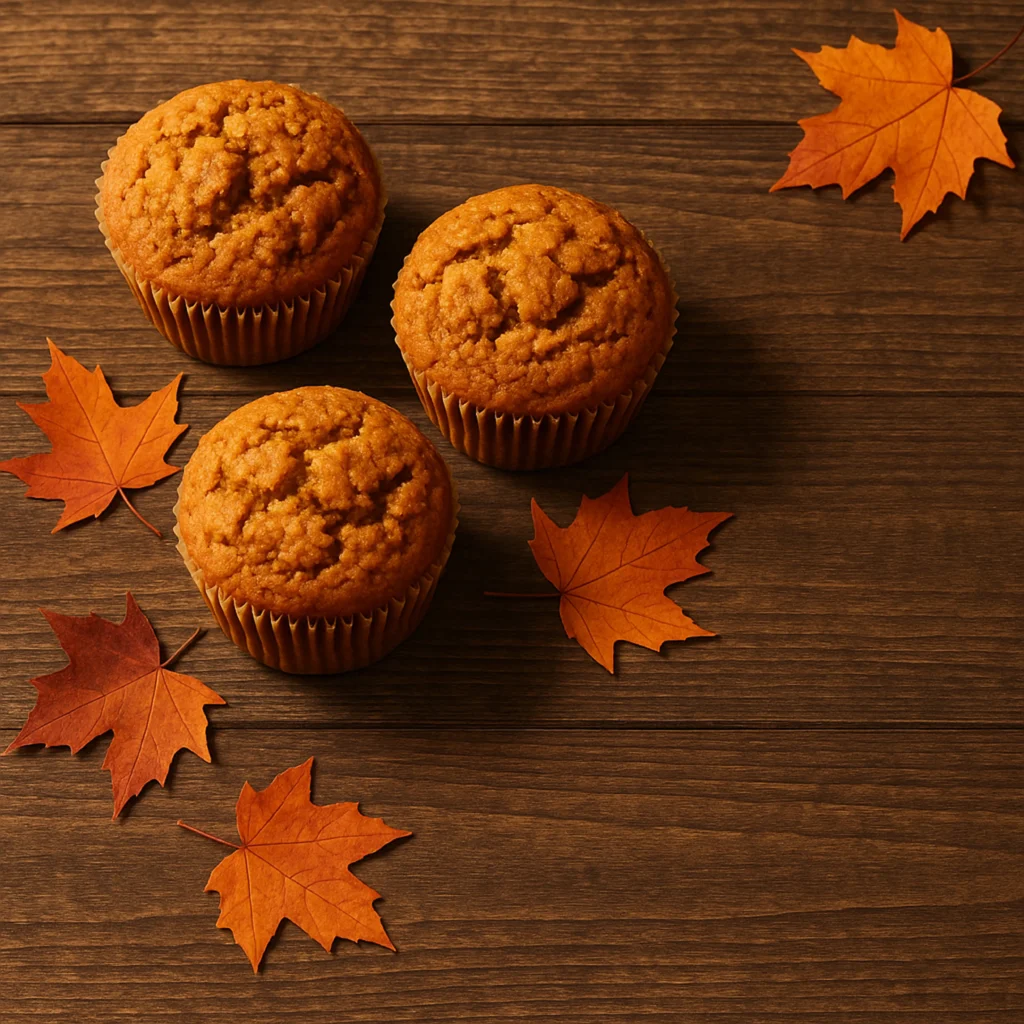
Recipe of the Month: Pumpkin Muffins
Ingredients:
- 1 and 3/4 cups all-purpose flour (spooned & leveled)
- 1 teaspoon baking soda
- 1 and 1/2 teaspoons ground cinnamon
- 1 and 1/2 teaspoons pumpkin pie spice
- 1/4 teaspoon ground ginger
- 1/2 teaspoon salt
- 1/2 cup vegetable oil (or melted coconut oil)
- 1/2 cup granulated sugar
- 1/2 cup packed light or dark brown sugar
- 1 and 1/2 cups canned pumpkin puree (not pumpkin pie filling)
- 2 large eggs
- 1/4 cup milk (dairy or nondairy are both fine)
Notes
- You can freeze these muffins for up to 3 months. Thaw overnight in the refrigerator, then heat up in the microwave if desired.
- You can find pumpkin pie spice in the baking aisle. You can also make your own by blending 1/4 teaspoon each of ground cinnamon, ground cloves, ground nutmeg, ground allspice, and 1/2 teaspoon ground ginger.
- Do not leave out the 1 and 1/2 teaspoons of ground cinnamon that is also called for in this recipe!
- If desired, you can slightly reduce the sugar and oil, but remember that both ingredients help produce moist, tender muffins. You can also swap some of the oil (no more than half) with applesauce, although it will change the texture.
Directions:
- Preheat oven to 425°F (218°C). Spray a 12-count muffin pan with nonstick spray or line with cupcake liners.
- In a large bowl, whisk the flour, baking soda, cinnamon, pumpkin pie spice, ginger, and salt together until combined. Set aside.
- In a medium bowl, whisk the oil, granulated sugar, brown sugar, pumpkin puree, eggs, and milk together until combined. Pour the wet ingredients into the dry ingredients. Then fold everything together gently until just combined and no flour pockets remain.
- Spoon the batter into liners, filling them all the way to the top.
- Bake for 5 minutes at 425°F. After 5 minutes, reduce the oven temperature to 350°F. Make sure to keep the muffins in the oven.
- Bake for an additional 16–17 minutes or until a toothpick inserted in the center comes out clean. The total time these muffins take in the oven is about 21–22 minutes, give or take.
- Allow the muffins to cool for 5 minutes in the muffin pan before enjoying.
- Cover tightly and store at room temperature for up to 1 week.
Optional Mix-Ins
Fold in one of these options before spooning the batter into the muffin pan:
- 1 cup of chocolate chips
- 1 cup of chopped pecans or walnuts
- ¾ cup of dried cranberries
Community Events
November 8th: Michigan Montessori Conference | Weber’s Inn Ann Arbor, MI
Feel confident at the table again—without the power struggles
Mealtimes don’t have to be this hard
- You’re doing everything you can—cutting food just right, offering all the favorites, reading every tip online.
- And still, your child refuses to eat. Or cries. Or gags. Or throws their plate.
- You’re not failing. You’re just missing the right support.
- “Let’s change that”