


Does My Child Need Sensory Integration Occupational Therapy?
Here are the Signs to Watch Out For
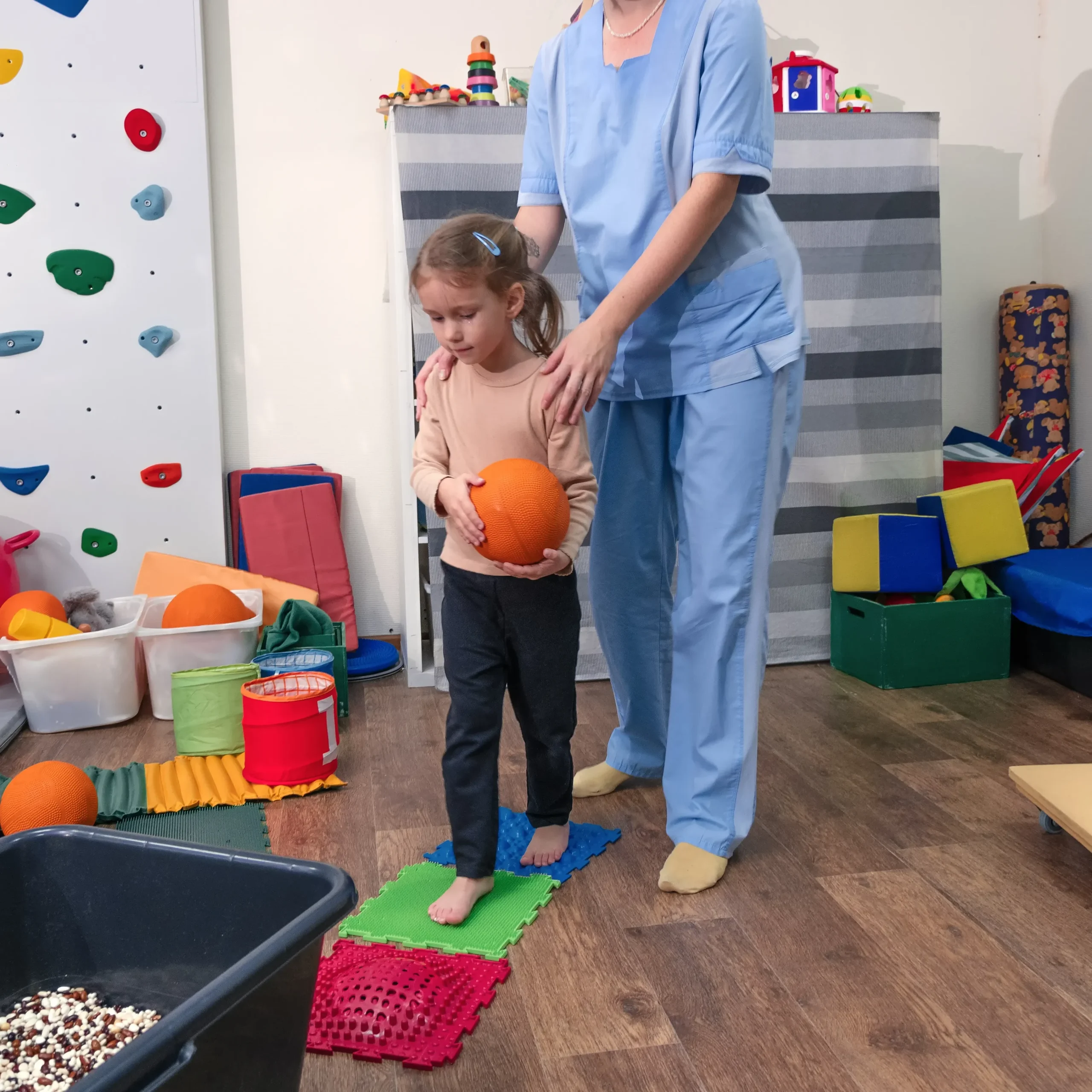
It’s normal for kids to experience sensory challenges from time to time, such as disliking the texture of broccoli or feeling too cold in a chilly room. But some kids will struggle to process everyday life sensations to the point that it affects their behavior, comfort, or ability to participate in daily activities. Those are the kids who can benefit immensely from occupational therapy at Flourishing Lives.
When kids have sensory processing difficulties, they find it challenging to make sense of sensory input, which is the information they take in through touch, movement, sound, sight, taste, and smell. Of course, kids don’t have the vocabulary to tell you that’s what they’re experiencing, so it’s important to familiarize yourself with some of the common signs and symptoms of sensory processing challenges.
Our Rochester Location Is Now Open!
We’re excited to share that our Rochester clinic is officially open and accepting new appointments! If you’ve been waiting to begin services, now’s a great time to get started.
We look forward to supporting your child’s growth in the new year! Schedule your child’s evaluation today using the link below:
Five Clues That Your Child May Struggle with Sensory Processing
1. Overreacting or Underreacting to Sensory Input
Children who have difficulty processing sensory information often respond to uncomfortable stimuli in extreme ways. If your child is hypersensitive, they may seem to overreact to different sensations, such as:
- Covering their ears to block out everyday sounds
- Avoiding messy play or certain clothing textures
- Complaining about the room lighting being too bright
Some kids are hyposensitive, however, which looks a little different. Watch for these signs:
- Seeking extra movement, touching everything, or appearing constantly on the go
- Not responding to pain, temperature, or loud noises
- Listening to loud music or engaging in noisy activities, like stomping or clapping
2. Challenges with Transitions or Routines
If your child really struggles with simple changes, such as coming in from playing outside or not wanting to get ready for bed, sensory processing could be a factor. While some resistance to transitions is normal in kids (especially if they’re doing something they enjoy), watch for extreme reactions, like meltdowns or overwhelm.
3. Difficulty with Fine or Gross Motor Skills
Sensory processing influences how children plan and coordinate their everyday movements. You might notice:
- Trouble with buttons, zippers, or handwriting
- Difficulty climbing, jumping, or balancing
- Appearing clumsy or uncoordinated
4. Behavioral Responses That Seem Out of Proportion
Remember, when a child struggles with sensory processing, they don’t have the vocabulary to easily express their discomfort. Instead, they’ll respond to sensory demands in ways that might seem like “behavior problems,” such as being anxious, avoidant, hyperactive, or easily frustrated.
Some kids might also have trouble staying engaged during schoolwork, play, meals, or conversation. This is because they find it difficult to filter out background noise or movement enough to maintain their focus.
It’s important to remember that these reactions are signs of sensory overload, not willful disobedience!
5. Emotional Responses Connected to Sensory Triggers
Sensory overload can also cause seemingly disproportionate emotional responses. Your child might have difficulty calming down when they become overwhelmed, or you may notice that they seem extra fatigued after being in busy environments.
Ways Occupational Therapy Can Help
If any of the signs above seem familiar, reach out to the team at Flourishing Lives! Our sensory-trained occupational therapists can help your child:
- Build tolerance to challenging sensations
- Improve motor skills and coordination
- Strengthen emotional regulation
- Become more confident and successful in daily routines
- Enjoy participation at home, school, and in the community
We take an individualized, play-based approach to therapy, designing our sessions to help your child’s nervous system feel more organized and balanced.

Reach Out to Our Clinic To Get Started!
If sensory challenges are impacting your child’s daily life, confidence, or participation, working with one of our OTs can provide clarity and support and help your child develop the foundational skills that set them up for success.
Reach out to Flourishing Lives today to schedule your child’s initial evaluation.
Does My Child Need Speech Therapy?
Speech Therapy Helps with More than You Might Realize!
Speech, language, and communication skills are crucial for navigating the world. They help kids communicate their needs, build friendships, and engage with others at home, in school, and at play.
Language and communication are built over time, and every child develops at their own pace. However, some kids need a little extra support as they learn to speak, listen, and interact with others. That’s where the speech therapists at Flourishing Lives can play a big role in your child’s development.
Seven Signs Your Child Might Benefit from Speech Therapy
1. Limited Vocabulary or Delayed Speech
Speech therapy might be a good choice if your child:
- Uses fewer words than expected for their age
- Has trouble combining words into phrases or sentences
- Doesn’t seem to catch up to same-age peers when it comes to language skills
2. Difficulty Understanding Instructions
If your child struggles to understand directions or has difficulty comprehending questions, stories, or conversations, they may have receptive language difficulties, even if their speaking ability is age-appropriate.
3. Trouble Being Understood
Some speech sound errors are expected during development, but if your child consistently struggles, they may benefit from working with our team to improve their articulation. Some signs to watch out for include:
- Other people have a hard time understanding your child
- Your child substitutes, omits, or distorts sounds
- They still have trouble with certain sounds after the expected age
4. Stuttering or Disfluent Speech
Stuttering or other disfluencies are common reasons people seek speech therapy. This might look like:
- Repeating sounds or words
- Getting stuck while trying to speak
- Showing visible tension or frustration when talking
5. Social Communication Challenges
Speech therapy plays a crucial role in helping children develop essential social skills. Look for these difficulties:
- Maintaining back-and-forth conversations
- Using eye contact, gestures, or facial expressions
- Understanding social cues
- Staying on topic
6. Difficulty Using Words to Share Needs
When children struggle to express their needs in words, they become upset, frustrated, or resort to using behaviors instead.
7. Voice or Resonance Concerns
Speech therapy can also help children who have trouble with their voice itself. This might include:
- A hoarse, raspy, or overly soft voice
- A nasal or unusual tone
- Difficulty projecting their voice
How Speech Therapy Can Help Your Child Thrive
As with occupational therapy, our speech therapists take a fun, individualized approach to helping your child develop the language, speech, and communication skills they need. This might include:
- Building stronger vocabulary and language skills
- Improving articulation and speech clarity
- Strengthening social communication
- Developing more effective communication strategies
- Gaining confidence in expressing themselves
Our Speech Therapists Are Ready to Help!
Communication difficulties can look different from child to child, which is why an evaluation with one of the Flourishing Lives speech therapists is the first step in getting tailored support. Call our clinic today to get started.
Patient Spotlight:
James
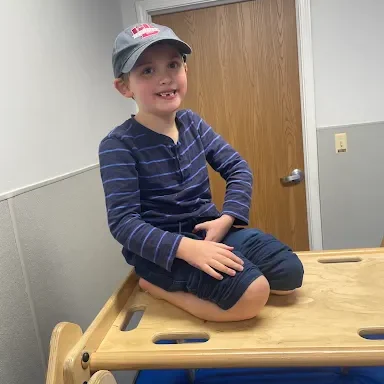
James has been receiving occupational therapy for over two years and has made significant progress. He continues to show great improvement in the area of tactile sensitivities, and he now tolerates nail clipping, haircuts, and wearing winter gear with ease. He has also expanded his play skills, showing a growing willingness to explore and engage in new gross motor activities with increased self-confidence and flexibility.
James has completed two rounds of the Safe and Sound Protocol, which has contributed to a more regulated nervous system. He is demonstrating improved body awareness and the ability to remain calm and organized in a variety of sensory and social settings. James is now more responsive during interactions, demonstrating better eye contact, reciprocal communication, and an overall increase in engagement with peers and adults.

Staff Spotlight:
Kimberly Dekoski (Occupational Therapist, MOT, OTR/L)
Kim is a dedicated pediatric occupational therapist who has been active in the field since 2012. Armed with a Master’s degree from Baker College, she has gained experience across various domains, including ICU, Mental Health, and Schools. Her expertise spans specialized areas, including craniosacral therapy, reflex integration, and infant and toddler care. Kim expands her contributions to the occupational therapy world through engagement in community events, presentations, educating students, and utilizing her strong leadership skills.
Beyond her career, she finds fulfillment in traveling and cherishing moments with loved ones, particularly her 11-year-old dog, Takoda. Kim’s passion lies in witnessing the creativity of children and facilitating transformative change in their lives through her therapeutic interventions. Her mission is to instill hope and confidence, making a lasting impact on the lives of the children and families she serves, shaping futures and contributing to a brighter tomorrow.
Helping Families Thrive

Activity of the Month:
Winter Sensory Snow Bin
No Snow Required!
Looking for an easy and engaging winter activity that your kids will love? Try making a Winter Sensory Snow Bin, a perfect opportunity to build fine motor skills, engage in imaginative play, and explore the senses–without the mess and fuss of actual snow.
Kids love this activity because it feels like real snow without the cold, giving them the benefits of scooping, molding, and digging snow without the drawbacks. And while your kids are having fun, they’re boosting their creativity, developing fine motor skills, and enhancing their sensory processing.
You’ll also love the quick cleanup!
What You Need
- 1–2 boxes of baking soda
- A small amount of water
- Glitter (optional)
- Scoops, spoons, measuring cups
- Mini winter animals or figurines
- A plastic bin
How To Make The Sensory Snow Bin
- Pour the baking soda into your bin.
- Slowly add small amounts of water and mix until the mixture becomes crumbly, resembling real snow.
- Add glitter for sparkle if you’d like.
- Add the scoops and winter figurines, and encourage your child to explore their mini winter wonderland. Here are some ideas to get started:
- Build tiny snowmen
- Hide animals in the snow and have your child find them
- Scoop and pour the snow into small bowls
- Use a popsicle stick to make animal tracks through the snow
Recipe of the Month:
Snowy Yogurt “Ice Cream” Cups
This fun, safe, and messy-friendly winter recipe allows kids to explore textures, practice vocabulary, and develop fine motor skills.

Ingredients:
- 2 cups plain or vanilla yogurt (thicker yogurt works best)
- 1–2 tsp vanilla extract (optional)
- 1–2 tbsp honey or maple syrup (optional for sweetness)
- Fresh or frozen berries
- Mini chocolate chips or sprinkles
- Cookie cutters or small molds (optional)
Directions:
- In a bowl, stir the yogurt, vanilla, and honey. Add an element of sensory play by having your kids experience and explore the mixture.
- Use spoons, cookie cutters, or molds to create fun shapes in cups or bowls.
- Let children sprinkle berries, chocolate chips, or sprinkles on top. Encourage descriptive language, such as “cold,” “smooth,” “sweet,” “red,” and “round.”
- Enjoy! Eat immediately as a soft, snowy treat, or freeze for a few hours for a firmer texture.
Speech and Sensory Benefits
Sensory
Cold, smooth, and creamy textures stimulate tactile senses.
Speech
Offers a chance to practice vocabulary for colors, textures, shapes, and actions (such as mixing, scooping, sprinkling, and tasting).
Fine Motor SKills
Scooping, pouring, and sprinkling strengthen hand muscles for writing and daily tasks.
Social Skills
Encourages sharing, turn-taking, and describing what they’re doing.

Feel confident at the table again—without the power struggles
Mealtimes don’t have to be this hard
- You’re doing everything you can—cutting food just right, offering all the favorites, reading every tip online.
- And still, your child refuses to eat. Or cries. Or gags. Or throws their plate.
- You’re not failing. You’re just missing the right support.
- “Let’s change that”