

A Deep Dive into Craniosacral Therapy
At Flourishing Lives, we offer several innovative treatment techniques. Today, we want to explore one you may not be familiar with: craniosacral therapy (CST).
Although craniosacral therapy may have a serious-sounding name, it’s actually a gentle, noninvasive technique designed to support your natural healing processes and enhance the well-being and functional abilities of both kids and adults.

Introducing Craniosacral Therapy: How Does It Work?
Your craniosacral system consists of the membranes and fluid that protect and support the brain and spinal cord. Tension or restrictions in this system can interfere with the body’s ability to function properly.
Craniosacral therapy works by releasing these restrictions using an extremely light touch–typically no more than the weight of a nickel. This process helps restore balance in the nervous system, improves the flow of spinal fluid, and restores communication between the brain and body, leading to better physical, emotional, and developmental outcomes.
What Conditions Can Craniosacral Therapy Help?
Craniosacral therapy offers benefits for both children and adults, addressing a wide range of challenges, including the following:
- Sensory Processing Challenges: By calming the nervous system, CST reduces overstimulation and supports a child’s ability to respond appropriately to sensory input.
- Developmental Delays: CST complements other therapies by promoting better nervous system regulation, which encourages milestones in motor skills, coordination, and overall development
- Feeding Issues: CST can help release tension in the jaw, mouth, or neck, which is beneficial for feeding difficulties. By aiding nervous system regulation, CST can also address digestive challenges.
- Behavioral or Emotional Dysregulation: The calming effects of CST can support children with anxiety, hyperactivity, or emotional challenges. These effects may also help improve sleep patterns and emotional balance.
- For Adults: Head or Neck Pain: We don’t just offer craniosacral therapy to kids. Adults can benefit from a calmer nervous system as well, and CST can help address muscular tension that leads to headaches or neck pain.
What to Expect During a Craniosacral Therapy Session
We design our CST session to feel safe, welcoming, and calming for children of all ages (and their parents). Here’s what you can expect:
- An Initial Assessment: We’ll begin the session with a gentle, hands-on evaluation focusing on identifying areas of tension or restriction in the head, neck, chest, or abdomen.
- A Gentle Touch: CST is very gentle. Depending on your child’s age and needs, we’ll get them comfortable on a padded table or chair. Then, we’ll use very light pressure to evaluate and release tension in the craniosacral system.
- A Child-Led Pace: To ensure a positive experience, sessions follow your child’s comfort level. For example, if your child becomes restless, we may use playful interactions or adjust the session to ensure a positive experience. We also welcome parents to join us during the session.
- Post-Treatment Effects: After a session, you may notice improvements in your child’s sleep, mood, or physical coordination. Children may sometimes be temporarily tired as their body adjusts to the changes.
Schedule an Appointment To Learn More
Craniosacral therapy is a great addition to many of the treatment techniques we offer at Flourishing Lives. It’s a safe, gentle way to address the various physical, sensory, and emotional challenges affecting your child’s daily life.
If you’re curious about how CST might help you or your child, we encourage you to make an appointment! Our therapists are here to answer your questions and help determine if CST could be a beneficial addition to your child’s care plan. Contact us today to get started.
Valentine’s Day Sensory Activities: Five Fun Ways to Celebrate Together
Outdoor playtime is an important aspect of managing sensory issues. It allows kids to engage their imagination, develop motor skills, and Valentine’s Day is a fantastic opportunity to engage your child in sensory-rich play!
These five hands-on activities are designed to promote sensory exploration, support motor skill development, and spark creativity—all while celebrating the joy of the season.
1. Love-Themed Sensory Bin
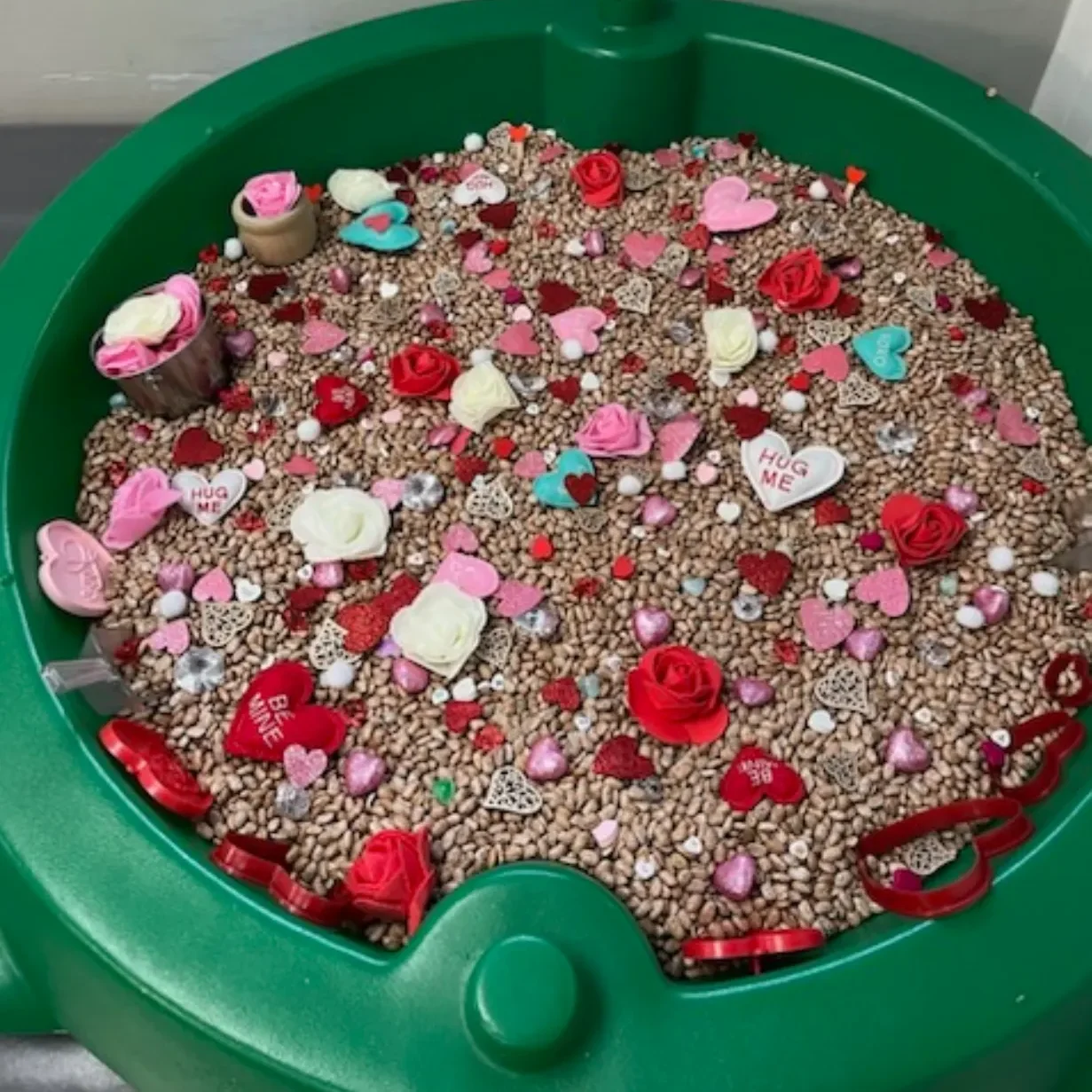
Create a sensory bin filled with Valentine’s Day items to stimulate your child’s senses, develop fine motor skills, and promote sensory regulation. Here’s how to do it:
- Fill a large container with Valentine-themed items, such as red and pink rice, heart-shaped foam pieces, small plastic hearts, and soft silk rose petals. Don’t forget tools like spoons, tongs, or small cups to encourage your child to scoop, sort, and experience textures.
- Encourage your child to explore the bin, focusing on textures, colors, and scents.
2. Valentine’s Playdough Creations
Playdough offers endless possibilities for sensory play and creative expression. The tactile experience of playdough strengthens hand muscles and improves dexterity, which are essential for handwriting and other fine motor tasks. Adding scents like lavender or peppermint adds another layer of sensory stimulation.
To keep with the Valentine’s Day theme, use red or pink playdough and provide heart-shaped cookie cutters, small plastic flowers, and glitter for decoration. Encourage your child to engage their creativity but cutting out hearts or creating other fun love-themed treasures.
You can also make your own playdough with ingredients you likely have at home.
Here’s How:
- In a large mixing bowl, combine 2 cups of flour, 1 cup of salt, 2 tablespoons of cream of tartar, 2 tablespoons of vegetable oil, and 1 cup of water.
- Add a few drops of food coloring to the mixture for your desired color.
- Stir the ingredients together until well combined.
- Transfer the mixture to a saucepan and cook over medium heat, stirring constantly.
- Continue stirring until the dough thickens and begins to pull away from the sides of the pan.
- Once it forms a ball, remove it from the pan and let it cool slightly.
- Once cool enough to handle, knead the dough until smooth and elastic.
Now you’re ready to play! Store the playdough in an airtight container to keep it fresh.
3. Edible Valentine
Baking together is a great way to engage multiple senses while promoting fine motor skills, sensory exploration, and essential life skills such as following instructions and sequencing steps. Plus, at the end of the activity, you and your child are rewarded with a tasty treat!
Cut-out cookies are a great way to create an edible Valentine. Allow your child to roll out the dough and use cookie cutters to create hearts or other holiday shapes. Then, provide an assortment of frosting, sprinkles, or edible glitter to encourage your child’s creativity.
4. Valentine’s Day Arts and Crafts
Arts and crafts activities are a great way to encourage your child to explore different textures and materials–all while promoting creativity, tactical awareness, and fine motor skills.
Set up an art station with plenty of supplies. Items like tissue paper, felt, foam stickers, and glitter offer different sensations. Help your child cut out heart shapes and decorate them with textured materials.
5. Valentine’s Day Sensory Scavenger Hunt
Organize a sensory-friendly scavenger hunt for Valentine’s Day. Scavenger hunts offer a wealth of benefits, such as problem-solving, visual scanning, and encouraging movement.
Gather several small items and hide them around the house. Aim for items that offer different textures or scenes, like rose-scented candles, foam hearts, Valentine’s Day plushies, or silk flowers.
Then, create a simple checklist or picture guide that your child can use to find each object.
Have a Happy Valentine’s Day!
Valentine’s Day is a fun, colorful holiday that lends itself to many unique sensory activities. By incorporating sensory play into your Valentine’s celebration, you’re helping your child learn, grow, and enjoy the holiday in a meaningful way. Looking for more sensory play ideas?
Contact the team at Flourishing Lives!
Activity of the Month: Belly Breathing with Ms. Lindsay
Why Is Belly Breathing Beneficial?
Belly breathing is particularly helpful for children struggling with stress, anxiety, or sensory challenges. Here’s why:
- It provides a simple, calming strategy to help kids manage overwhelming sensory experiences and regain control.
- It activates the parasympathetic nervous system, which promotes a calm and relaxed state.
- It improves oxygen flow, helping to enhance focus, reduce muscle tension, and support overall emotional regulation.


Help Your Child Learn Belly Breathing
- Start by having your child lie down or sit in a comfortable position. We also encourage you to model the process alongside them.
- Place their favorite stuffed animal on their belly. This adds a visual element and helps make the practice more fun. Encourage your child to take their stuffed friend on a ride with each deep breath.
- Ask them to breathe deeply through their nose to watch the stuffed animal rise. Ideally, they should breathe in for a count of four.
- Then, ask them to exhale slowly through their mouth so they can watch the object fall. Ideally, they should exhale for a count of six.
- Repeat this for several breaths, aiming for slow and steady breathing.
If your child is having trouble staying engaged, try these tips:
- Create a relaxing atmosphere with dimmed lights or soft music.
- Incorporate imagery into your instructions, like pretending to be a balloon or sending waves across a still ocean.
- Add a visual element by having your child blow into a scarf, watching it flutter and “dance” with each exhale.
Give Belly Breathing a Try!
Incorporating belly breathing into daily routines provides children with a calming tool they can use whenever they feel overwhelmed. It’s a simple, effective way to help them feel better and function at their best.
Patient Spotlight: Chase
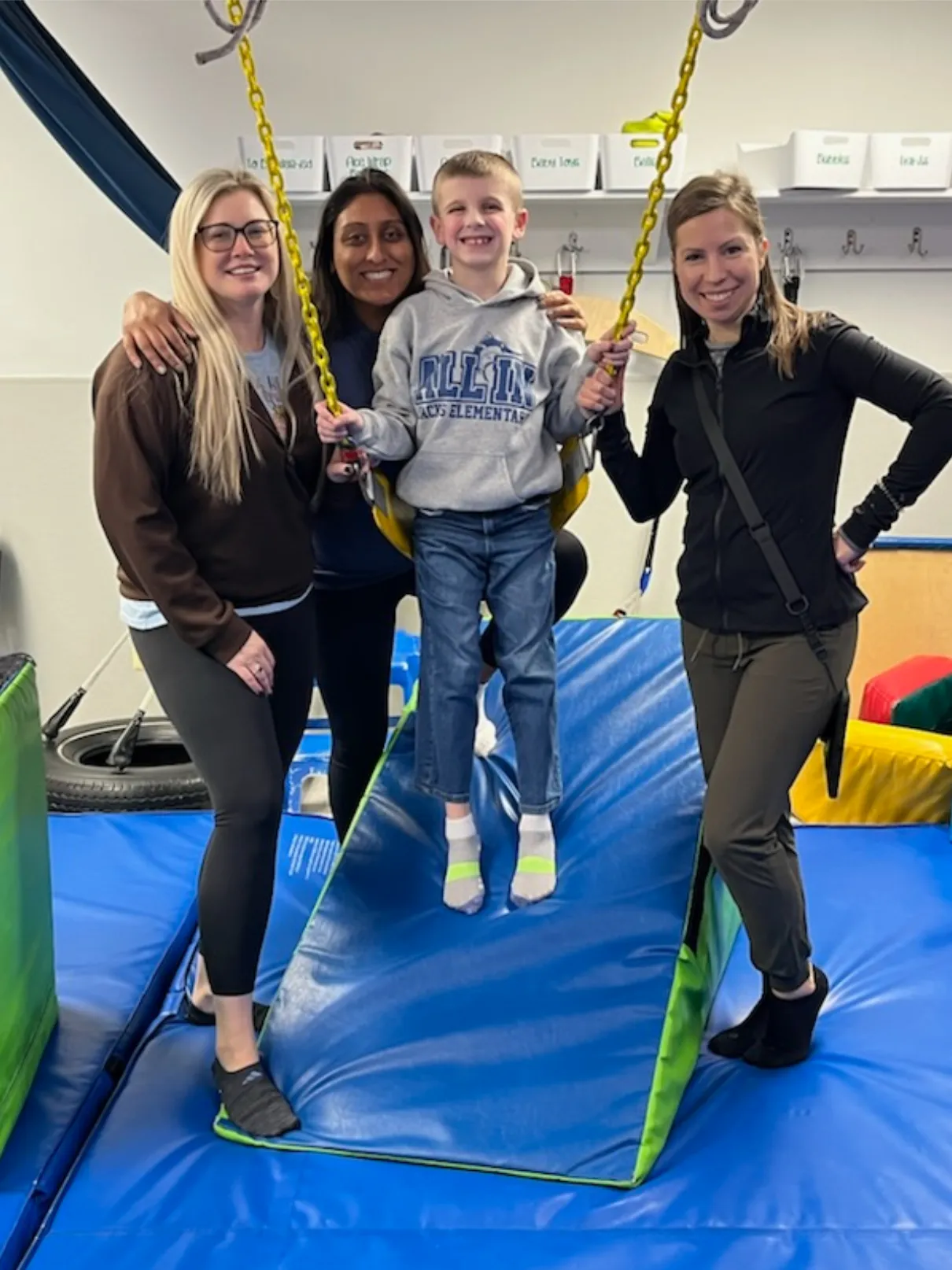
Chase is a delightful seven-year-old who has been a part of the Flourishing Lives family for approximately four years. He initially began occupational therapy to enhance his adaptability, motor planning, body awareness, and communication skills.
Chase’s progress has been truly inspiring. Over the years, he has achieved remarkable milestones, including learning to tie his shoes, advocating for himself, riding a bike without training wheels, engaging with his peers, and mastering the sequencing of three-step tasks. Additionally, his improved coordination and oral motor strength have significantly expanded his food intake and ability to chew food properly.
“Occupational therapy at Flourishing Lives has been truly amazing and beneficial for Chase,” his mother told us. “He is able to do things he could never do before, such as getting ready for the day more independently and coming up with play activities on his own. He now wants to play games as a family and gets less frustrated when things don’t go his way.”
We’re so proud of Chase’s hard work and dedication to reaching his goals!
Staff Spotlight: Lindsay Boks, MS, OTRL
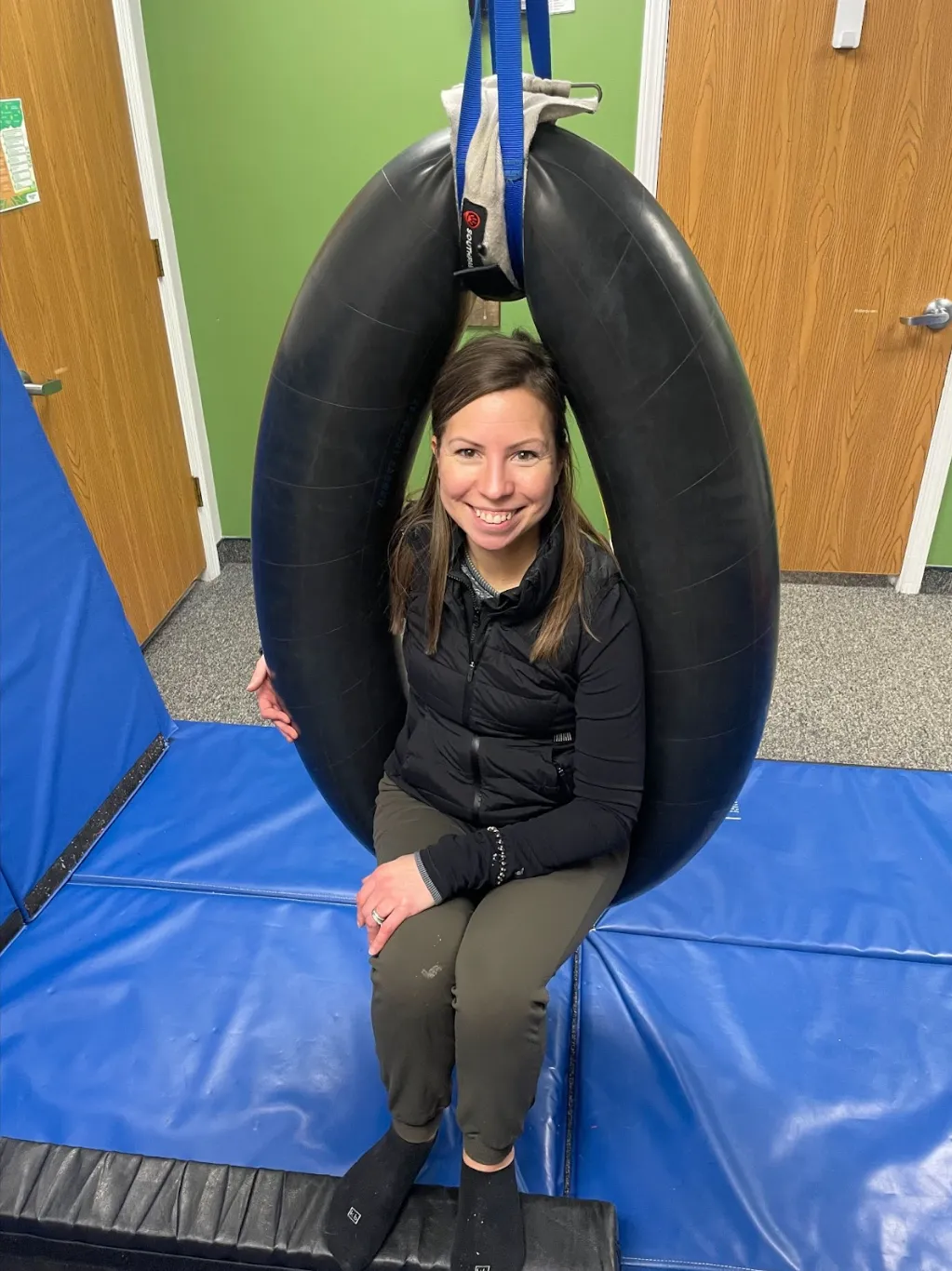
Lindsay is a passionate and highly skilled occupational therapist who earned her Master of Science in Occupational Therapy from Western Michigan University in 2008. Since then, she has pursued advanced training in craniosacral therapy, interactive metronome, The PLAY Project, and sensory integration techniques.
Lindsay has been an integral part of Flourishing Lives since 2013. Her holistic and compassionate approach enhances the quality of life for families through personalized and innovative therapy strategies.
Outside of her professional life, Lindsay is a proud wife and devoted mother to two wonderful children. Her dedication to helping children thrive is at the heart of her work. Each day, she strives to unlock every child’s potential, fostering growth and development in a supportive and nurturing environment.
Whether empowering children to discover their strengths or helping families reconnect through the power of play, Lindsay’s commitment to her clients is unwavering. Her joy, expertise, and personal touch leave a lasting impact, making her an invaluable part of our team and the lives she touches.
Helping Families Thrive

Recipe of the Month: Easy Puff Pastry Cream Cheese and Berry Danishes
Original Recipe From: Our Best Bites
Ingredients:
For the Pastries
- 1 standard box puff pastry (2 sheets thawed in the fridge overnight)
- 8 ounces cream cheese softened
- 1 egg yolk
- 3 tablespoons granulated sugar
- 1/4 teaspoon vanilla extract
- 1/2 teaspoon almond extract
- about 6 tablespoons of berry jam
For the Glaze
- 3/4 cup powdered sugar
- 1/4 teaspoon almond extract or vanilla extract
- water
For the Egg Wash
- 1 egg
- 2 tablespoons water
- coarse sugar optional
Directions:
- Line a rimmed baking sheet with parchment paper and set aside.
- In a medium mixing bowl, whip cream cheese until fluffy and smooth. Add egg yolk, sugar, and extracts and mix until smooth. Set aside.
- Remove puff pastry sheets from their packaging. Working with one at a time, unfold onto a lightly floured work surface. Use a rolling pin to very lightly roll pastry in all directions, keeping it in an even rectangle shape. The dough should not extend more than about 1/2-1 inch on all sides.
- Cut the dough in one direction on each of the 2 folded creases. Cut the dough just one more time in the other direction down the center, creating 6 even rectangles. Place the rectangles evenly spaced on the baking sheet. Using a knife, lightly score each rectangle about 1/4 inch in on all sides. Do not cut all the way through the dough.
- Place a heaping tablespoon of cream cheese filling in the center of each rectangle and gently spread it around slightly but not extending over the scored parts of the dough. Create a slight well in the center of the cheese mixture and fill it with 1-1 1/2 teaspoons of jam, if desired.
- To make the egg wash, whisk the egg and water together until smooth. Use a pastry brush to lightly brush the wash around the outer scored edge of the dough. Sprinkle with a little coarse sugar if desired.
- Bake at 400 degrees until pastry is puffed and edges are golden brown, about 14-16 minutes. Let cool, then mix up all glaze ingredients and drizzle over tops.
JOIN OUR THRIVE COMMUNITY!
Tools for healing, resilience, inspiration, value, and education.
Are you looking for expert guidance, a supportive network, and resources to help your family or community thrive? We’re excited to introduce the Thrive Community, a membership for our current patients and community partners that offers ongoing support, education, and connection!
WHAT’S INCLUDED?
- Weekly Office Hours: Join live Google Meet calls to ask your questions and get answers from our experts directly.
COMING SOON…
- 24/7 Access to our Library. Access frequently answered questions anytime.
- Exclusive Content: Access resources, articles, and tips for growth.
- Supportive Community: Connect, share stories, and gain perspectives.
WHY JOIN THE THRIVE COMMUNITY?
- Get expert advice from experienced professionals.
- Empower your journey with tools to build inspiration and resilience.
- Stay connected and supported, even outside of regular therapy sessions.
Community Events
CARE Conference
March 1, 2025
8:30 AM – 3:30 PM at the Macomb Intermediate School District
44001 Garfield Rd #1100, Clinton Twp, MI, 48038
1:1 Therapeutic Consultation
At Flourishing Lives, our therapeutic consultation program helps parents and family members actively engage and understand their child’s therapy journey.
Our daytime therapeutic consultative service gives parents a private space to discuss treatment options, manage everyday challenges, and actively support their child’s progress. Scheduled while your child is at school, these sessions allow for open, candid conversations without distractions. You’ll gain practical strategies to foster a positive and supportive environment at home and within the community.
Highlights
- Personalized guidance
- Ongoing support
- Feel empowered
- Increased involvement
- Reduce anxiety
- Gain more tools for success
Getting started is easy! Contact us to schedule your consultation for a smooth, supportive experience.
- 1 session for $180
- 4 sessions for $520