

Fall is the Season for Heavy Work Activities
The weather’s cooling down. The days are getting shorter. School’s back in session. That can only mean one thing: autumn is here! So are our favorite fall activities, like carving pumpkins and hiking through a forest of gorgeous changing leaves.
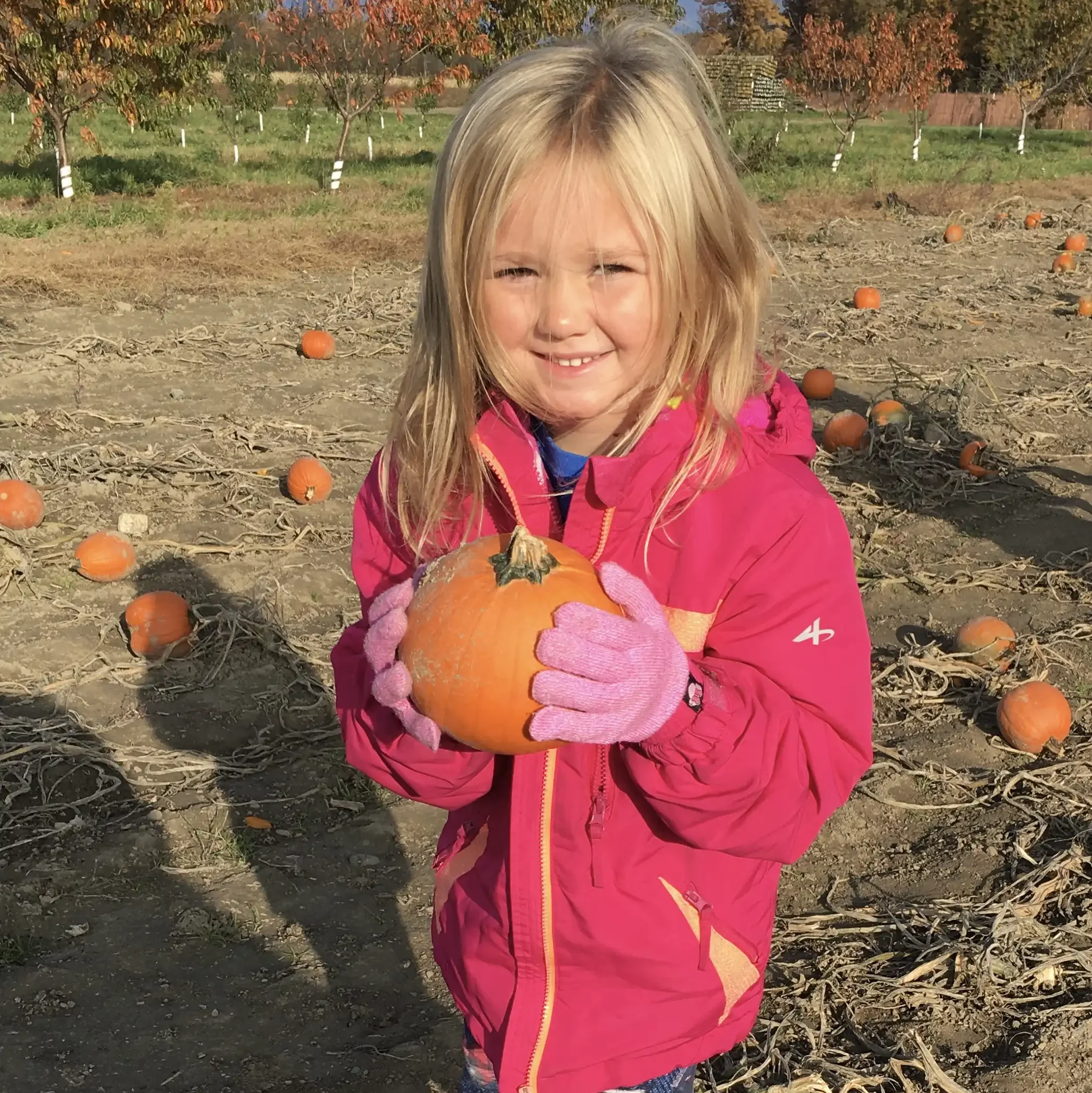
But, aside from being fun, did you know that these activities play an essential role in regulating your child’s nervous system? It’s true. Fall activities like picking pumpkins in a pumpkin patch, walking through the woods, or even just raking leaves are all examples of heavy work activities. And heavy work activities are crucial for your child’s development.
Today, we want to explore heavy work activities in more detail–what they are and why they’re so important. We also want to share some of the Flourishing Lives team’s favorite fall-themed heavy work activities.
And if you’d like a bit more personalized guidance, give us a call to speak to our friendly staff!
Exploring Heavy Work in More Depth
Heavy work refers to activities that use the larger muscles in our body. They require us to perform movements such as lifting, pulling, carrying, jumping, and so on. These activities and movements improve several key areas, including the following:
- Proprioception, which is our body’s awareness of itself in space
- Interoception, which allows us to be aware of internal body sensations (like heart rate or hunger)
- Core strength, which helps with balance and coordination
- Motor planning, which is the body’s ability to remember the small steps that allow us to perform specific activities
So how does heavy work help regulate your child’s nervous system? It comes down to the first item on that list, proprioception. Movements like pushing, pulling, or lifting activate the proprioceptive system as it transmits messages from the muscles to the brain to know how much force to exert. This process actually calms and regulates your child’s nervous system. In fact, you’ve probably experienced this for yourself. Have you ever hit the gym or gone for a run after a stressful day? The sensory input from working your muscles helps calm down your stress so you can more easily relax in the evening. Heavy work is especially important for children with sensory processing issues, as they may be more likely to avoid (or seek out in appropriate ways) the sensory input created by heavy work. However, all kids will benefit.
Seven Fall-Appropriate Heavy Work Activities We Love
Heavy work is best when it’s incorporated into fun activities your child looks forward to doing, and autumn is rich with heavy work opportunities! Here are some of our favorites.
1. Raking Leaves
- Encourage your child to help rake leaves. Not only does this provide a great workout for the arms and core, but gathering and bagging leaves can also be a fun game.
2. Fall Gardening
- Fall is a great time for garden cleanup. Have your child help out with tasks like pulling weeds, planting bulbs, or carrying soil bags. These activities provide resistance and weight-bearing experiences that are excellent for sensory regulation.
3. Pumpkin Picking and Decorating
- Visiting a pumpkin patch offers natural heavy work that doesn’t feel like a chore. At the patch, have your child lift and carry the pumpkins. At home, involve them in washing, carving, or painting pumpkins, which can also enhance fine motor skills.
4. Building and Carrying Wood
- If you have access to a safe space, consider having your child build a simple wood structure or carry small logs for firewood. Just make sure to watch your child closely to ensure safety.
5. Using a Wheelbarrow
- Let your child help with moving garden tools or leaves using a wheelbarrow or wagon. Pushing and pulling these items can be a great way to engage in heavy work.
6. Obstacle Courses
- Build an outdoor obstacle course out of seasonal items like hay bales, pumpkins, and leaf piles. Encourage your child to climb, jump, and crawl, which engages multiple muscle groups and provides deep pressure input.
7. Nature Hikes with a Backpack
- Take a hike in the woods and have your child carry a small backpack with snacks, water, or nature finds. The added weight can provide beneficial sensory input and make the walk more engaging.
Want to Learn More? Schedule an Appointment!
We hope you’ll incorporate some of these heavy work activities into your schedule this year. Your kids will have fun, and you’ll be providing them with some essential benefits, too! Want to learn more about the role of heavy work activities in your child’s regulation processes? Our occupational therapists are here to help. Schedule an appointment at Flourishing Lives today to get started.
10 Ways To Improve Fine Motor Skills This Fall
Fall offers several fun, engaging activities that can help your child develop the small muscles in their hands and fingers, which are essential for daily tasks like eating or grooming. How many of these can you try this year?
1. Leaf Rubbing Art
- Collect leaves of various shapes and sizes. Place one under a piece of paper and have your child rub a crayon or pencil over the top to create a textured image, which helps with pencil grip and control.
2. Pumpkin Decorating
- Have your child decorate a small pumpkin using stickers, markers, or paint. For a fine motor challenge, add details using small decorations like beads, googly eyes, or glitter.
3. Acorn and Pinecone Painting
- Why let pumpkins have all the fun? Have your child try out painting acorns and pinecones. The irregular shapes require careful handling and control, enhancing fine motor skills.
4. Apple Stamping
- Cut an apple in half, dip it in paint, and use it as a stamp, which helps with grasping and pressing motions.
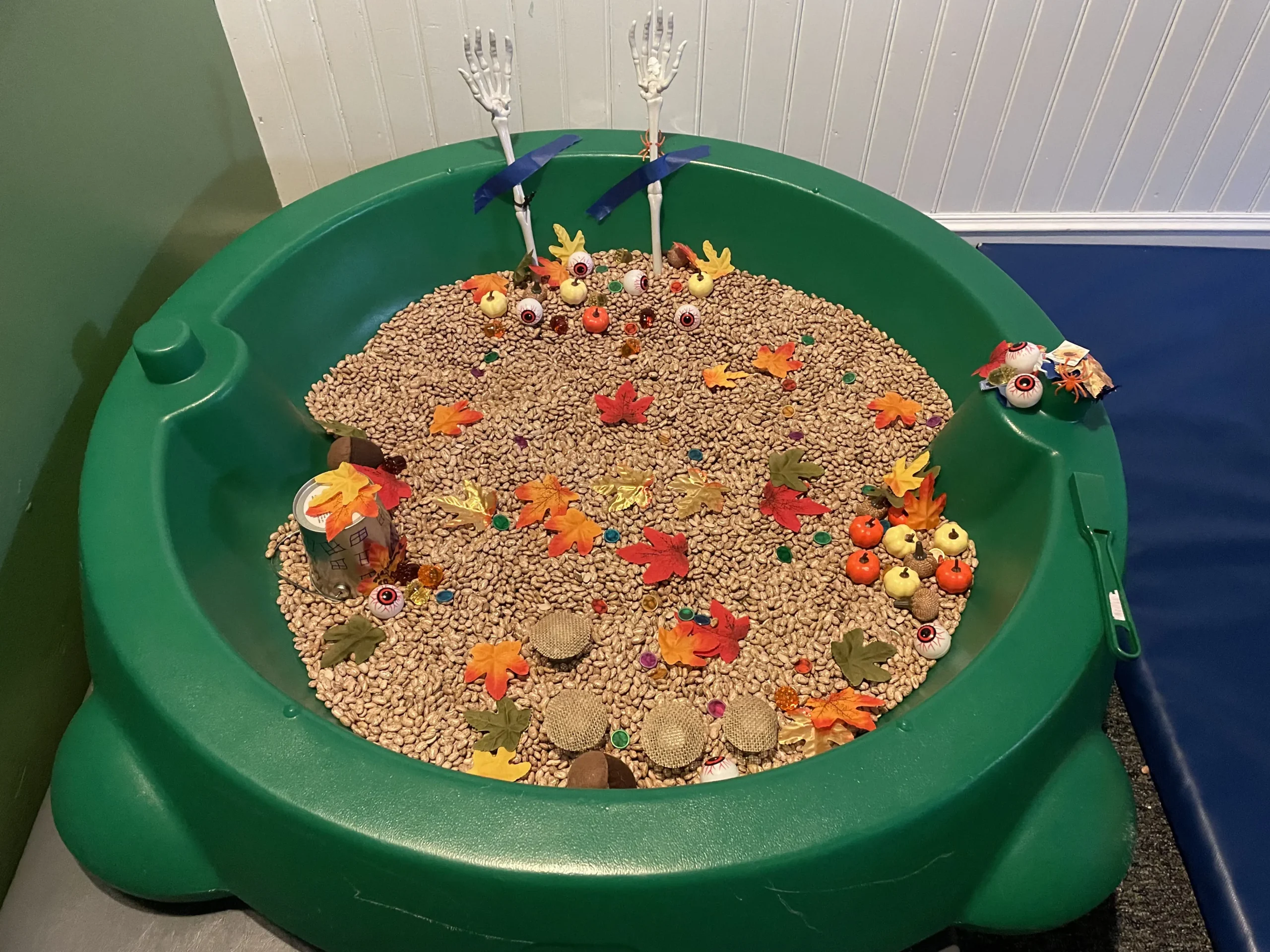
5. Fall Sensory Bins
- Create a sensory bin filled with seasonal treasures like dried corn, beans, small pumpkins, and leaves. Include tools like tweezers, scoops, and small containers to encourage new ways for your child to sort, pick up, and transfer objects.
6. Button Trees
- Draw or print a tree outline and have your child place fall-colored buttons on the trees as leaves, helping with pincer grip and placement skills.
7. Threading Activities
- Have your child thread fall-themed beads, pasta, or dried corn-on-the-cob to develop hand-eye coordination and fine motor precision.
8. Corn Kernel Counting
- Divide corn kernels into small containers or muffin tins. Have your child practice counting and sorting the kernels, which enhances number recognition and fine motor skills.
9. Scarecrow Crafts
- Use felt, fabric scraps, or paper to create scarecrows. Children can cut out shapes, glue pieces together, and add details like buttons or yarn for hair, practicing cutting, gluing, and assembling skills.
10. Nature Collage
- Go on a nature walk to collect fall leaves, twigs, acorns, and other objects to use in a collage. Collaging involves arranging, gluing, and pressing items onto paper, which helps with fine motor coordination and creativity.
For More Information Contact Us
The pediatric, occupational and speech therapists at Flourishing Lives are always on hand to help you better the lives of your children. Contact us to get started!
Meet Sheena Patel, MOTR/L; Clinical Director

Meet Sheena, the Clinical Director of Flourishing Lives and a dedicated pediatric occupational therapist with a passion for helping those who can’t always help themselves. From a young age, Sheena was driven by a desire to make friends, and through these connections, she expanded and grew her own skills. This early understanding of the power of supportive relationships shaped her belief that when challenged by someone who believes in you, the possibilities are endless.
With over a decade of experience, Sheena has embraced a trauma-informed approach, taking the time to build meaningful relationships with her clients, their families, and fellow professionals. Her goal is to help children in the clinic, guide parents in supporting their families, and empower other professionals to deepen their understanding of the “why” behind behaviors.
Sheena’s extensive training and education in trauma, sensory processing, and attachment have equipped her with the tools to make a significant impact. Her leadership skills are evident in her ability to train professionals across various fields, as well as parents, ensuring that everyone she works with has the knowledge and support needed to help families flourish.
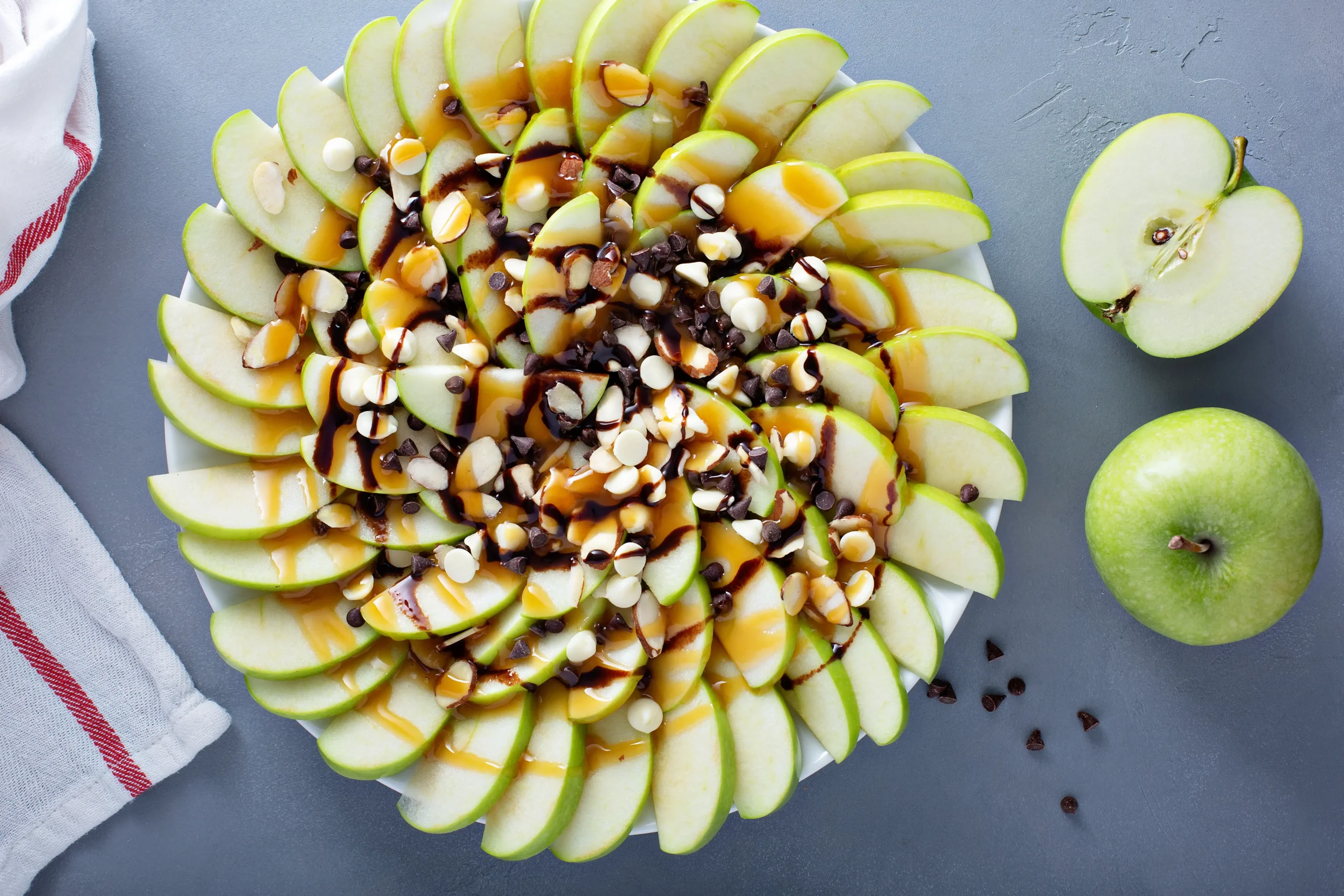
Recipe of the Month: Honey Apple Harvest Nachos
Celebrate the flavors of fall with these Honey Apple Harvest Nachos! This kid-friendly snack is a delightful combination of sweet apples, a drizzle of golden honey, and a sprinkle of chocolate and cinnamon. Perfect for autumn afternoons or cozy family gatherings, these nachos are not only delicious but also easy to make. Plus, they’re nut-free and use natural sweetness, making them a healthier treat that everyone can enjoy!
Ingredients:
- 2-3 apples (choose sweet varieties like Honeycrisp or Fuji)
- 2 tablespoons honey
- 1/4 cup mini chocolate chips
- 1 teaspoon ground cinnamon
Directions:
- Wash and slice the apples into thin rounds. Remove the core and seeds.
- Arrange the sliced apples on a large plate or serving tray in a single layer, slightly overlapping each other.
- Drizzle the honey evenly over the apple slices.
- Sprinkle the chocolate chips or candies and ground cinnamon over the apples.
- Serve the Honey Apple Harvest Nachos right away for a fresh, sweet treat.
Riley’s Success
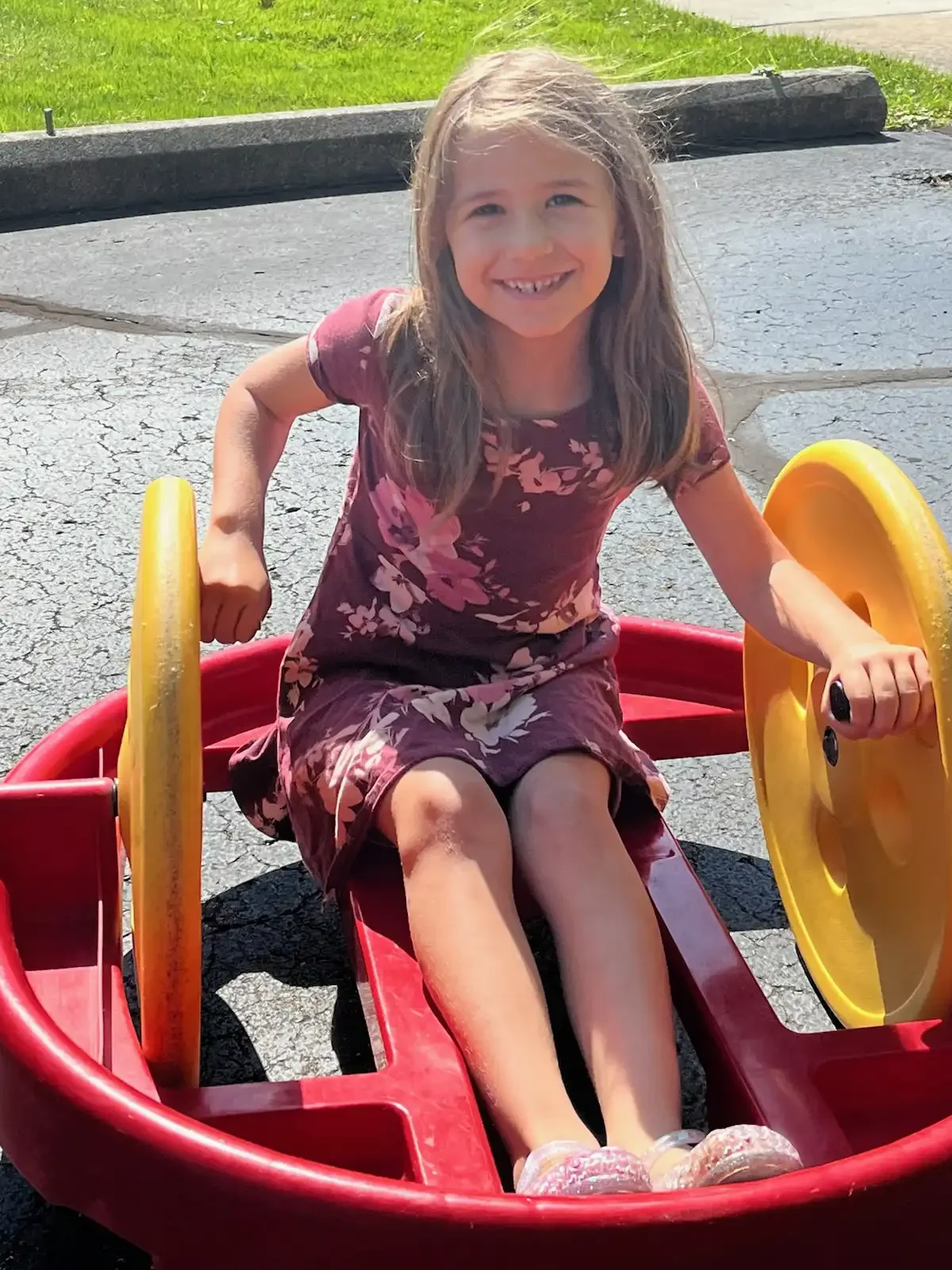
When Riley first came to Flourishing Lives, she faced significant challenges in attending school due to increased aggression. She had difficulty modifying her plan to the needs of the classroom and when asked to transition from one space to another she displayed behaviors that were major barriers to her success.
Riley’s therapy journey began with building rapport and establishing a trusting relationship. This foundation was crucial in helping her adapt to the therapist’s plan and manage transitions throughout each session. Through consistent support and tailored interventions focusing on gross motor skills and socialization skills, Riley started to develop the skills necessary to handle changes and better cope with her environment.
Over time, Riley made remarkable progress. She began attending school full days with significantly reduced aggression. Her mother reports that Riley even participated in a summer program to maintain the skills obtained during her occupational therapy sessions and to ensure a smooth transition back to school in the fall.
Riley’s journey is a testament to the power of persistence and the positive impact of occupational therapy. We are incredibly proud of her accomplishments and excited to share her success with the community! A special thanks to the entire team: Briana and Nicholas (Riley’s parents), Tina, Mandy, Lindsey, Janie, and Sheena.
— Jillian Scaramuzzino, COTAL
Helping Families Thrive

Five Tips for Sensory-Friendly Halloween Costumes
Halloween is a time for fun and creativity, but traditional costumes can be particularly challenging for kids with sensory sensitivities. Fortunately, you can have a sensory-friendly Halloween with just a few simple tips:
Comfort is Key
- Choose costumes made from soft, breathable fabrics, and avoid materials that might be itchy, stiff, or heavy. If your child is sensitive to things on their face, skip the mask or face paint and try less-invasive alternatives like hats, headbands, or stickers.
Keep Things Familiar
- Consider incorporating elements of your child’s favorite clothes or pajamas into the costume, which can help them feel more comfortable with their outfit. Ensure the costume is easy to put on and take off, reducing stress during dress-up times. We also recommend having your child try the costume on a few times before Halloween so they can get used to it (and give you time to make adjustments).
Simple is Better
- Even at Halloween, sometimes less is more. Opt for a simple costume without too many accessories, which can be irritating or cumbersome. Even the most basic costumes can be fun and creative with a bit of imagination!
Try Sensory-Friendly Alternatives
- Dressing up and trick-or-treating aren’t the only ways to celebrate Halloween. If a more traditional celebration feels overwhelming, consider alternative activities like a Halloween-themed movie night, crafts, or a small gathering with close friends or family.
Focus on Fun, Not Perfection
- The most important aspect of Halloween is that your child has a great time. Encourage your child’s creativity by letting them have a say in their costume choice and celebration activities!
These tips help ensure your child has a spooky, thrilling evening without ignoring their sensory needs. Happy Halloween from Flourishing Lives!
Community Events
- September 28th: Special Needs Expo at the Macomb MISD 10:00 am to 2:00 pm
- October 27th: Halloween Funfest at Veterans Memorial Park St. Clair Shores 1:00 pm to 4:00 pm
Contact Us Today!
Flourishing Lives’ highly trained therapists create an environment that challenges your child to explore and grow while having fun, so that your child can learn new things without feeling pressure to perform. You will learn techniques to help your child at home by watching and participating in the therapeutic process.