
How to Integrate School Routines Into Summer Fun
Many parents look forward to the end of summer. With the kids back in school, they finally have time to breathe! But some kids have a harder time transitioning from the freewheeling freedom of summer vacation to autumn’s more structured schedule, which can make the end of summer a difficult time for everyone involved. Fortunately, you can start preparing for that transition now. Adding a bit more structure to your child’s day will make the start of school feel much less jarring for them.
Today, we want to provide some suggestions for how you can start transitioning your child from summer mode to learning mode. We’ve also included some examples so you can still see how this process works. Want a bit more personalized guidance? Call the team at Flourishing Lives. We’ll be happy to help.
Simple Tips for Preparing for the Start of School
We suggest starting the transition process 4-6 weeks before the first day of school. Structure your child’s day to mimic the routines and activities they experience during the school year. Limit screen time and encourage play that promotes concentration and listening skills.
Your next step is determining what areas your child needs to focus on as they prepare for school. We suggest identifying 1-3 areas where your child struggles at school. For example, they may struggle to pay attention or sit still for long periods.
Once you know which areas you’d like your child to work on, it’s time to identify playful ways to develop those skills. To do this effectively, you’ll need to identify the root cause of your child’s difficulties and then match fun summertime activities that address those causes.
Schedule An Appointment Today to Learn More
The pediatric occupational and speech therapists at Flourishing Lives are always on hand to help you transition your child from summer to fall. Schedule an appointment with us today to get started!
Why We Do What We Do
Building Trust and Motivation Through Relationship-Focused, Child-Led Therapy
At Flourishing Lives in St. Clair Shores, MI, we specialize in helping kids who process life a little differently. Our therapy is relational and directed by the children, increasing their internal motivation, self-esteem, and problem-solving skills. This approach helps build trust and comfort with the process, empowering your child. Our goal is to help children feel successful in their activities, motivating them to do more. We also encourage your family to participate so you can incorporate what you learn into your daily lives.
Our Mission
We help families thrive by building relationships using sensory integration!
Our Vision
To be the leading occupational therapy clinic where every child and family can realize their fullest potential through innovative sensory integration techniques, fostering a supportive and inclusive community.
Two Common Questions Our Clients Have For Our Team
Are You Looking For Ways To Improve Your Child’s Handwriting?
Handwriting challenges can often be linked to decreased strength in the arms, wrists, and hands, as well as difficulties with coordinating these movements. Here are some strategies to help strengthen these areas and improve your child’s handwriting skills:
- Upper Body Strengthening: Activities such as playing on monkey bars, holding onto a rope swing, or tossing a weighted ball can help build the necessary strength.
- Art-Based Activities: Engage your child in creative activities like painting or playing with play dough. These activities not only enhance hand strength but also promote creativity. As your child progresses, introduce more challenging materials like clay to further develop their fine motor skills.
Are You Looking For Ways To Help Your Child Transition From Recess Or Circle Time To Tabletop Activities?
Difficulty with transitions can be due to challenges with motor planning (the ability to stop one task and start another) or adaptability (adjusting to changes in plans). Here are some strategies to make transitions smoother:
- Make Learning Fun: Children are often resistant to leaving a familiar task for a new one. Use a positive tone and enthusiastic body language to make new activities appealing. Demonstrating the task can engage their interest, thanks to mirror neurons, which help children learn by observing and imitating others.
- Transition Aids: Use tools like timers or visual timers to help your child anticipate and prepare for changes. Techniques such as “first this, then that” can also be effective. For example, if you’re playing hide and seek, add a new element by hiding multiple objects and then perform a “secret handshake” after finding them. This helps your child adapt to changes, improves sequencing skills, and enhances coordination—skills that are also beneficial for handwriting.
These strategies can help your child develop better handwriting skills and adapt more easily to changes in their daily routine.
For More Information Contact Us
The pediatric occupational and speech therapists at Flourishing Lives are always on hand to help you better the lives of your children. Contact us to get started!
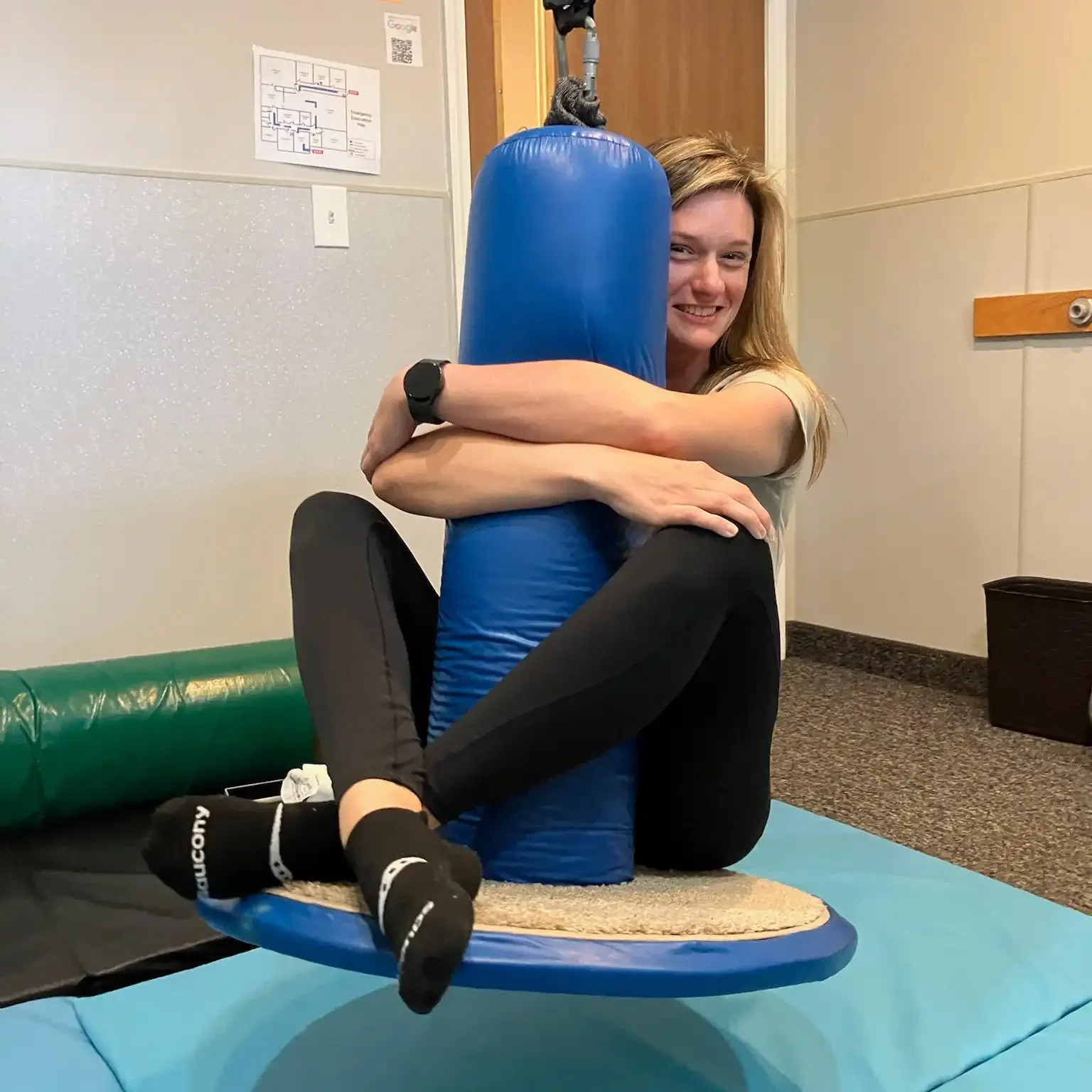

Meet Gwen Claussen
Gwen Claussen, the visionary CEO of Flourishing Lives, transformed her personal journey of overcoming her son’s premature birth and medical challenges into a passionate mission to help other families.
Experiencing firsthand the transformative power of occupational therapy, particularly in sensory integration, Gwen was inspired to ensure that other families received the same life-changing support. In 2020, despite the challenges posed by the pandemic, Gwen rebranded and revitalized the clinic, driven by her unwavering commitment to positively impacting children’s lives.
Under her leadership, Flourishing Lives has become a beacon of hope and support for children facing developmental hurdles. Gwen’s dedication to providing specialized pediatric occupational therapy has fostered an environment where children can thrive, grow, and achieve their full potential. Her journey from a determined parent to a dedicated CEO highlights her deep empathy and relentless drive to support families navigating similar challenges.

Recipe of the Month: School Fuel Trail Mix
Everyone knows that the right snacks can nourish your body, but did you know they can also help your child stay calm and regulated throughout the day? It’s true! In fact, you’ve probably experienced this yourself if you’ve ever craved a stick of gum or a bottle of water while listening to a lecture.
Crunchy, munchy, or sticky snacks provide a similar benefit by engaging the muscles and joints in the mouth, redirecting energy so your child doesn’t become a wriggle worm at their desk. A sensory-friendly trail mix like the recipe below will help your child stay alert and attentive throughout their day at school.
Ingredients:
- 1 cup pretzel sticks
- 1 cup whole grain cereal (like Cheerios or Chex)
- 1 cup mini chocolate chips
- 1 cup dried fruit (such as raisins, cranberries, or banana chips)
- 1 cup mini marshmallows
- Optional: 1 cup nuts (choose based on any allergies your school might have)
Directions:
Prepare Ingredients: If the nuts are not already roasted, you can roast them lightly in a pan over low heat for a few minutes until fragrant. Let them cool completely before using.
Mix It Up: In a large bowl, combine the pretzel sticks, whole grain cereal, mini chocolate chips, dried fruit, mini marshmallows, and nuts (if using). Toss gently to mix everything evenly.
Portion and Store: Once mixed, portion the trail mix into small snack-sized bags or containers. This makes it easy to grab and go for school snacks or outings.
Enjoy: Store the trail mix in an airtight container or individual bags at room temperature for up to two weeks. Enjoy as a healthy snack option!
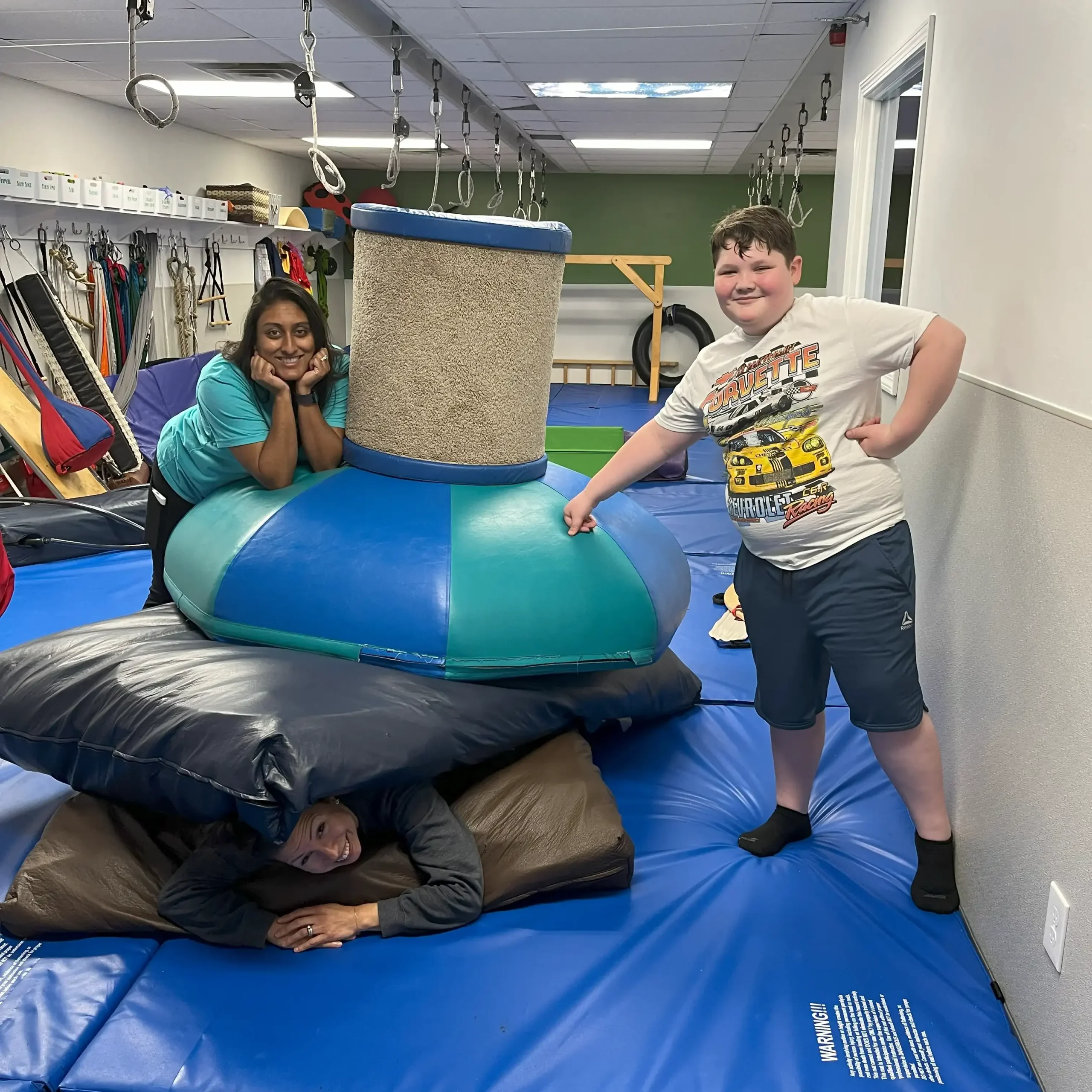
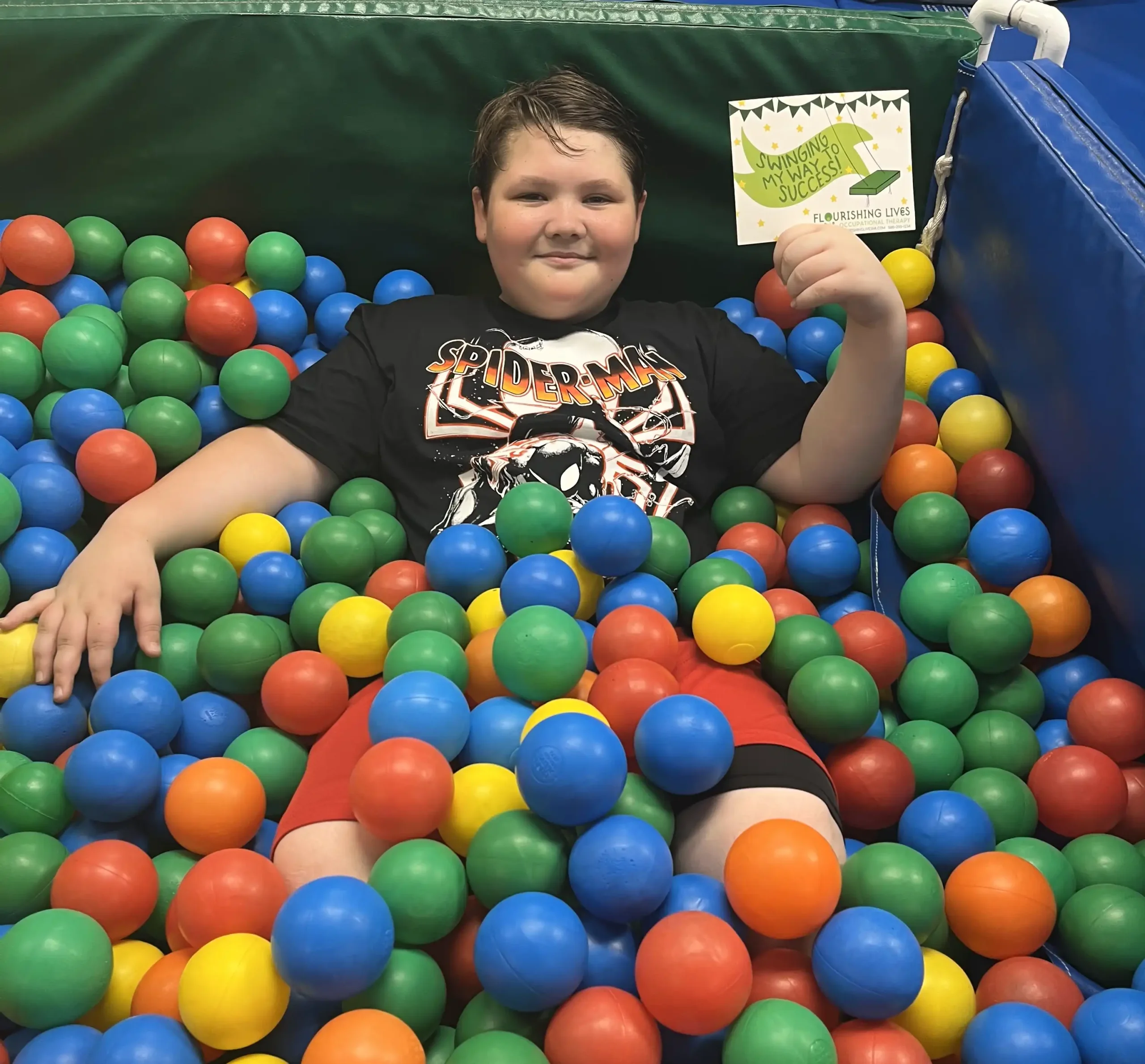
Ryder’s Success
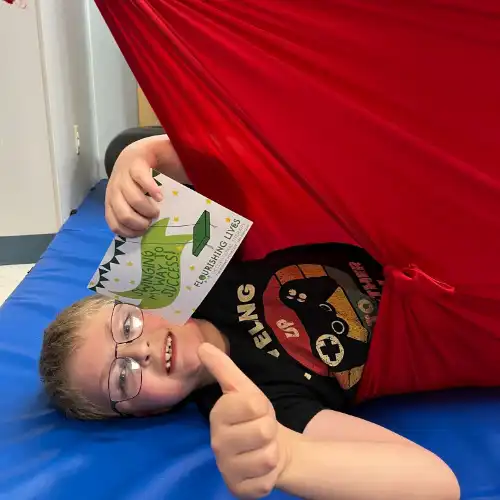
When Ryder first began his journey at Flourishing Lives, he faced significant challenges in attending school and community-based events. Struggling to express himself, he could only manage to attend two hours of school each day. Despite these hurdles, his kind and determined nature shone through, making it clear that he had the potential to overcome these obstacles.
In order to achieve his goals, the therapy team first worked on developing rapport to help him expand his play. Making him feel safe built his confidence to try new things. He worked hard with the team, pushing past his own anxiety to attend sessions. Once he engaged in therapy, the team graded each activity to build on the previous session, focusing on strength, bilateral coordination, and functional communication—all skills needed for school and community gatherings.
His mother reported that this will be the first time in five years that he will be able to attend a full day of school. Ryder’s confidence has soared, and he is excited to start school, make new friends, and have an amazing year ahead!
— Sheena Patel, MOTR/L; Clinical Director
Helping Families Thrive
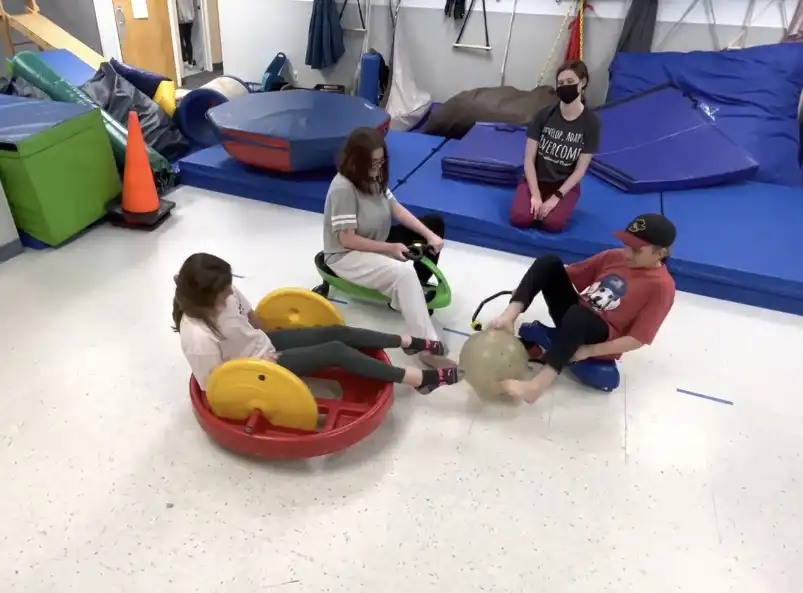
Focus of the Month: Enhancing Bilateral Coordination Through Play
Bilateral coordination refers to the ability to use both sides of the body together in a controlled manner. Many everyday activities, from eating dinner to getting dressed, require bilateral coordination, making it a foundational skill for your child.
The following activities can help improve your child’s bilateral coordination, but they offer additional benefits, too, especially as you gear up for school. They’ll help enhance your child’s fine and gross motor skills, improve their focus and attention, and support their overall academic success.
Fun Activities to Promote Bilateral Coordination
- Riding a bike
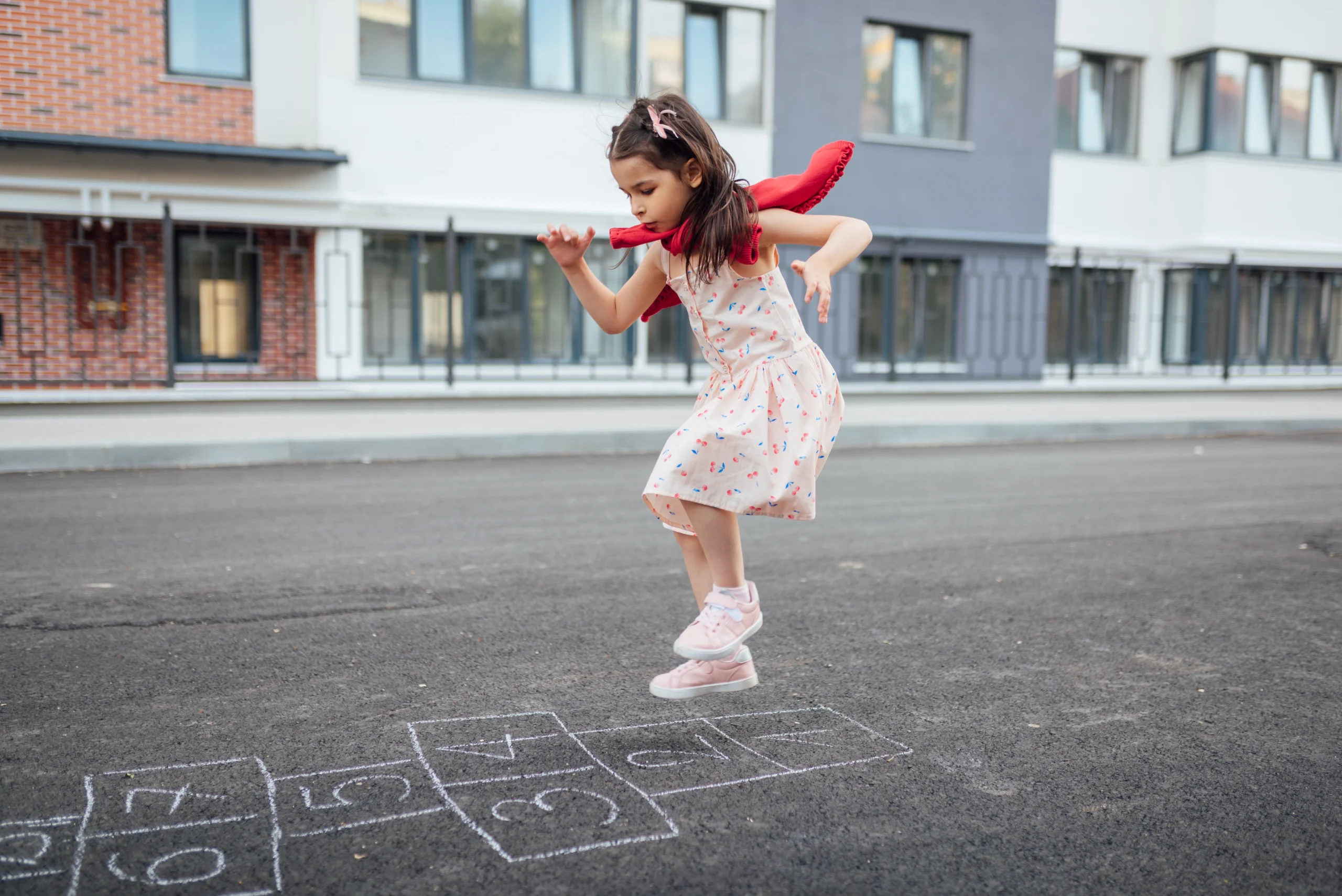
- Jumping games (like hopscotch)
- Clapping games
- Animal walks (specific movements that mimic the way an animal moves):
- Bear Walk: Bend over with your hands on the floor. Keep your arms and legs straight and your back flat as you simultaneously move your right hand and foot. Repeat with the left hand and foot.
- Cat Walk: Get in a similar position as the bear walk, but this time, arch your back like a classic Halloween cat. As with the bear walk, move your right hand and foot simultaneously, then the left hand and foot.
- Elephant Walk: Bend forward at the hips and let one arm dangle like an elephant trunk, with the other hand on your head to form an elephant ear. Take big, lumbering elephant steps.
Community Events
- Sep 21, 2024 7am to 12pm – Flourishing Lives will be participating in the Autism Alliance of Michigan Autism Hero’s Walk
- Sept 28, 2024 10am to 2pm – Flourishing Lives will be attending the Special Needs Expo at the Macomb MISD
Contact Us Today!
Flourishing Lives’ highly trained therapists create an environment that challenges your child to explore and grow while having fun, so that your child can learn new things without feeling pressure to perform. You will learn techniques to help your child at home by watching and participating in the therapeutic process.