
The After-School Regulation Reset
The school year is just starting to get underway, and that means new schedules, new teachers, and new activities. But the excitement of a full day at school is also filled with a lot of sensory input, which can be challenging for kids to manage.
That’s why it’s important to set aside time for your child to decompress once the final bell rings. While they’re at school, kids often hold in emotions, sensory overload, or movement needs–which may come spilling out as soon as they’re in the safe space of home. Giving your child time to reset and regulate can make evenings run more smoothly for the entire family.
To support your after-school rhythm, the Flourishing Lives team pulled together a few go-to ideas that balance movement, connection, and sensory support.
New Location Coming Soon!
811 Oakwood Drive, Suite 102 & 103, Rochester, MI 48307
Four Sensory-Friendly Steps for Resetting After School
- Buffer Time: Giving your child a chance to breathe is important, so don’t dive straight into homework or chores. Start with a low-demand window of 15–30 minutes where your child can choose how to decompress. For example, they might:
- Snuggle up under a weighted blanket
- Listen to music
- Blow bubbles
- Play with a fidget toy
- Read a book
- Start Moving: School often requires kids to sit still for long periods. Calming or organizing movements like the following help your child’s brain and body “sync up” again:
- Animal walks or crawling games
- Wall pushes
- Yoga poses
- Outdoor play or a mini obstacle course
- Jumping on a trampoline or couch cushions
- Make a Connection: Create a moment of emotional safety and co-regulation to help your kids feel seen and supported before you ask them to shift gears again. Here are some ideas:
- Share “one good thing” from the day
- Read a short book together
- Spend some time drawing or coloring together
- Ensure Transitions Are Intentional: After-school time and evenings are transitional by nature, but it’s still important to gently guide your child from one activity to the next. Here are some bridging techniques that can help make this process easier:
- Use a visual timer, preferred object, or a favorite song to cue what’s coming next
- Give your child a short preview of what’s next. For example, you might say, “Now that we’ve read our book, it’s time to set the table.”
- Invite your child to help with a job that provides regulating movement, such as taking out pots for dinner, wiping down counters, or stirring ingredients together.
Want More Guidance for After-School Activities? We Can Help!
If you’d like more personalized guidance about setting up your child’s after-school regulation routine, schedule an appointment with the team at Flourishing Lives! We’re happy to brainstorm strategies based on your child’s unique needs so they feel calm, capable, and more prepared for what’s next.
Fall Into Regulation: Seasonal Sensory Play Ideas
Autumn is officially here! Between cozy flannel blankets and pumpkin spice everything, this time of year is perfect for engaging your child in sensory-rich activities that support regulation and development. In fact, the fall season is a goldmine for meaningful, Flourishing Lives-approved sensory play and can bring calm, connection, and learning together in one joyful package.

The Importance of Sensory Play (Especially in the Fall)
Sensory play is a fun way to celebrate the season. However, it also plays a critical role in helping children regulate their nervous systems, which can:
- Help kids feel grounded, calm, and better prepared to engage in daily routines
- Improve after-school transitions
- Increase attention for better school performance
- Support emotional regulation
- Help prepare kids for the challenges of the upcoming holiday season
Three Fall-Themed Sensory Activities to Try at Home
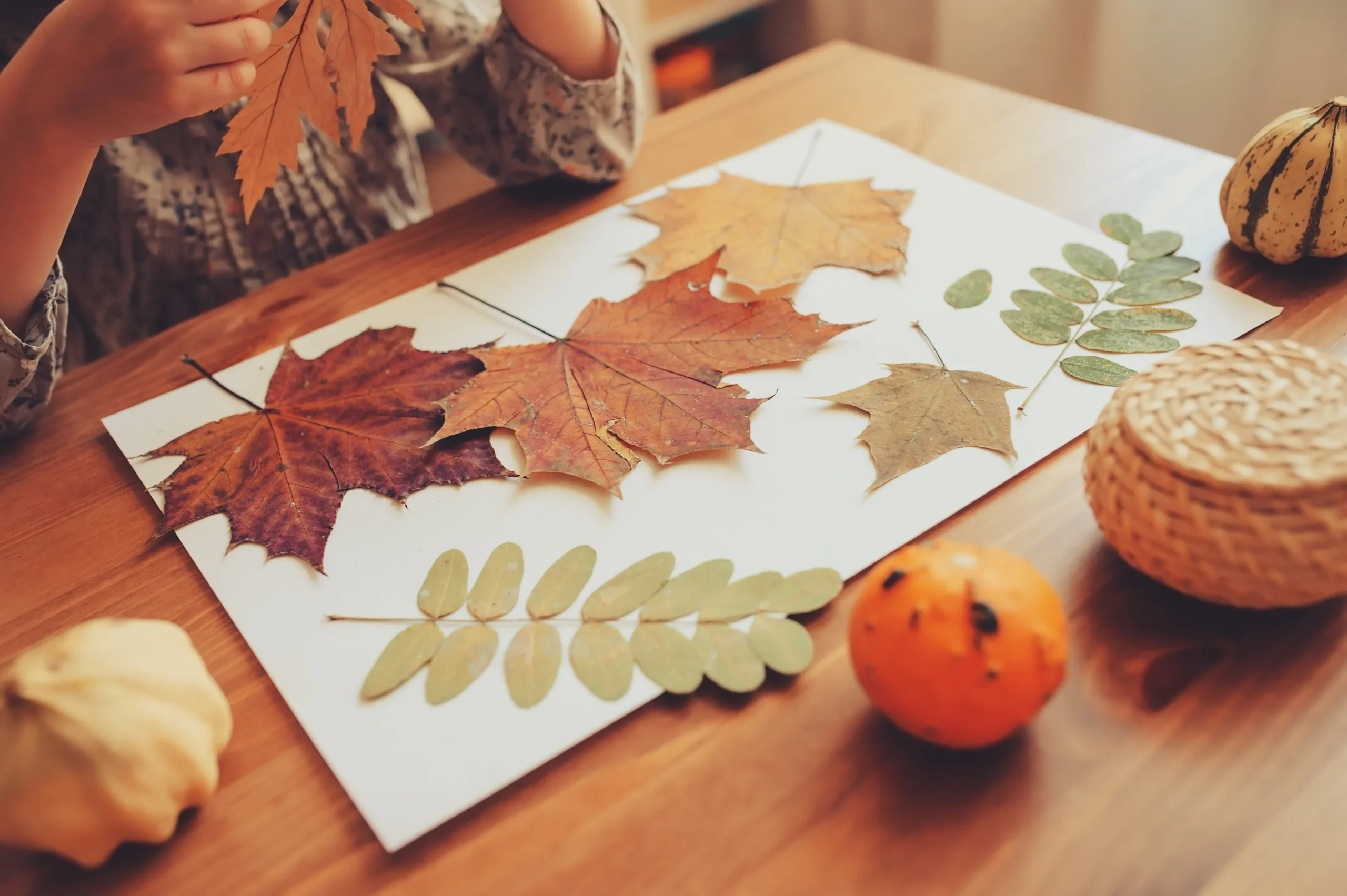
- Leaf Scooping: Gather fall leaves and have your child sort or scoop them using kitchen tongs or a spoon. You can use faux leaves from the craft store or real leaves once they start falling. Either way, scooping leaves strengthens fine motor skills and provides calming tactile input.
- Apple Pie Play Dough: “Autumn-ify” homemade play dough with fall spices like cinnamon, cloves, or nutmeg. These warm, homey scents offer soothing olfactory input, while the play dough provides unique tactile experiences like rolling, squeezing, and shaping.
- Corn Maze Sensory Bin: Create a fun autumn-themed sensory bin! Fill a large container with dried corn kernels, miniature hay bales, small plastic pumpkins, and other fall-themed toys. Add some scoops and measuring cups to encourage exploration and focused play.
Our Team Can Help Your Family
Try incorporating these simple activities into your child’s after-school routine or weekend playtime to support both sensory needs and seasonal joy and bring a little calm and connection to your fall days. And if you’d like additional suggestions, don’t hesitate to contact the team at Flourishing Lives.
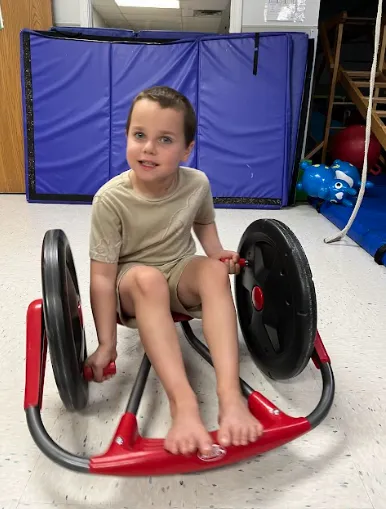
Patient Spotlight: Jackson
Jackson is a vibrant little boy who has been attending Flourishing Lives for about a year. We are so proud of his incredible progress in occupational therapy.
Over the past year, he has shown remarkable growth in his ability to transition between activities with less verbal prompting and fewer upsets, even when moving away from preferred tasks or leaving sessions.
His perseverance has blossomed, too. He now pushes through challenging gross motor activities with improved body awareness, reduced impulsivity, and greater confidence in his motor planning skills. Jackson’s attention and ability to follow directions have strengthened, and his social skills continue to shine as he engages in peer play, takes turns, and becomes more aware of others.
Jackson’s journey is a testament to the power of perseverance, connection, and hard work, and we can’t wait to see what he accomplishes next!
Community Events
September 13 | Utica Community Schools Wellness Fair
September 20 | Autism Alliance of Michigan Walk
September 27 | Macomb Intermediate School District Special Needs Expo
September 27 | Recovery Con hosted by CARE

Staff Spotlight: Lexi Pawlik
Meet Lexi, an occupational therapy assistant who joined the Flourishing Lives team in September 2022. With a degree from Macomb Community College, Lexi’s journey into occupational therapy was deeply influenced by her own experience as a mother. As the mom of three children who have benefited from occupational therapy, Lexi was inspired to switch careers and help other families on similar paths.
Her personal experiences have given her a unique understanding of the challenges families face, and her compassionate approach has made a lasting impact on the families she works with. Lexi is dedicated to providing the same support and care to others that she found so beneficial for her own family.
Outside of her professional life, Lexi enjoys spending quality time with her children and is always exploring new ways to make a positive difference in her community.
What Lexi Loves Most About Her Job
“I’m truly passionate about helping children and their families thrive. Being able to share what I’ve learned through my own journey is incredibly fulfilling. I love being a part of the Flourishing Lives team, where we focus on each family’s unique needs and provide personalized support.”
Helping Families Thrive
Activity of the Month: Apple Picking Adventure
We love this fall twist on the classic at-home obstacle course! It’s a great way to help your kids build strength, coordination, and motor planning, all while getting those wiggles out after school. It’s also a great regulation activity that encourages movement, problem-solving, and creativity all at once.
- Gather Your Supplies
- Plastic apples or red balls
- Basket or bucket
- Couch cushions or yoga mats
- Painter’s tape or sidewalk chalk
- Assorted obstacle course objects, like a small stool or blankets
- Build Out the Course: Build an obstacle course that offers various movement challenges for your child to complete before picking an apple and adding it to the basket. For example, you might set up a course like this:
- Starting line
- Balance challenge using tape to create a “tightrope” on the floor.
- Crawl through a tunnel created from chairs and a blanket to get to the apple.
- Pick up the apple from the floor. Use tongs to make it even more challenging!
- Climb over a stool or couch cushions to get to the finish line.
- Add the apple to the bucket at the finish line.
- Encourage your child to help design the obstacle course for an extra boost of creativity.
- Make It Your Own: For extra sensory fun, add a unique twist to the obstacle course every time your child runs through it. Here are some examples:
- Animal walks from the starting line to the balance challenge (such as a bear crawl or crab walk).
- Walk backward
- Carry the apple one-handed
- Set a timer to see how fast they can complete the course
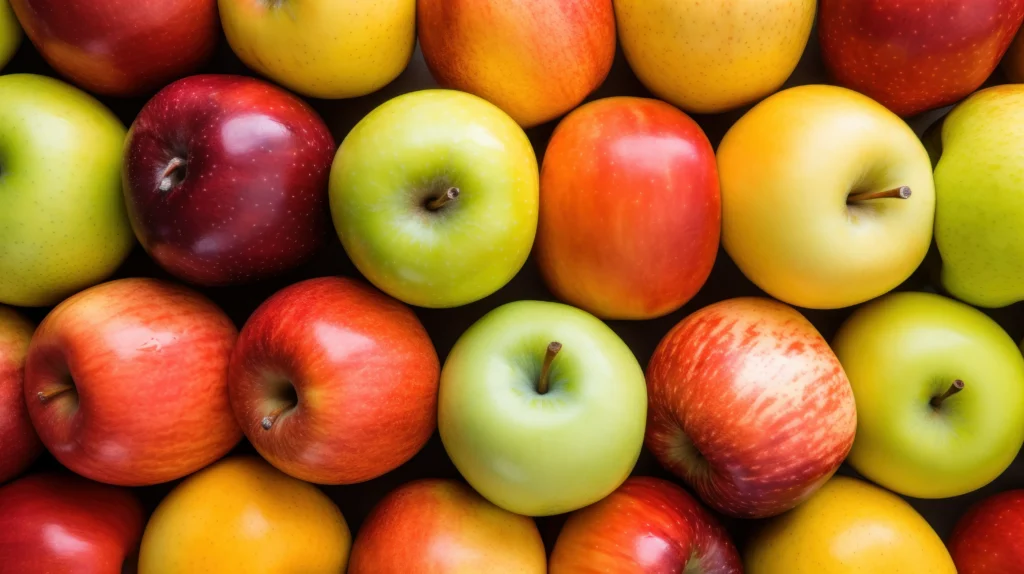
Recipe of the Month: Sweet Apple Salsa with Baked Cinnamon Chips
Ingredients:
For the Baked Cinnamon Chips
- 1 Tbsp sugar (granulated, coconut, or maple)
- 1/4 tsp cinnamon
- tiny pinch of salt
- 4 8-inch flour tortillas or other small tortillas of your choice
- 1 Tbsp avocado or vegetable oil or oil spray
For the Sweet Apple Salsa
- 2 to 3 apples (4 cups when diced). Use a few different apple varieties (like Honeycrisp, Gala, or Golden Delicious)
- 1 Tbsp lemon juice
- 1/2 cup unsweetened applesauce
- 1 to 2 Tbsp honey or maple syrup (or to taste)
- 1/2 tsp cinnamon
- pinch nutmeg (optional)
Directions:
Baked Cinnamon Chips
- Heat the oven to 350 degrees. Line a sheet pan with parchment paper, foil, or a silicone mat.
- Mix the sugar, cinnamon, and salt in a small bowl.
- Use a pastry brush to paint both sides of each tortilla with oil. You can also spray each side with oil spray. Sprinkle both sides or each tortilla with a big pinch of the cinnamon sugar.
- Cut the tortillas into 8 chip-shaped wedges. (I use a pizza wheel, but a knife works, too.) Place the chips onto the baking sheet. They can touch but not overlap.
- Bake the chips until golden brown, about 10 minutes. Keep a close eye on them because they can burn easily.
Sweet Apple Salsa
- Cut the apples into a very small dice. You can do this a few different ways:
- Use a vegetable chopper, which is easy and fun for kids to use, too.
- Use a knife to cut the apples into small cubes.
- Cut apples into small chunks, then pulse in a food processor to finely chop (don’t blend too much or you’ll get mush).
- Add the chopped apple to a large bowl and toss with the lemon juice. Stir in the applesauce, honey or maple syrup, cinnamon, and nutmeg. Taste and add more sweetener or lemon juice as needed.
- Serve the apple salsa with the baked cinnamon chips. The salsa will release juices as it sits, so stir it up occasionally. The salsa can be stored in the fridge for a few days (but it may brown a little bit).
Feel confident at the table again—without the power struggles
Mealtimes don’t have to be this hard
- You’re doing everything you can—cutting food just right, offering all the favorites, reading every tip online.
- And still, your child refuses to eat. Or cries. Or gags. Or throws their plate.
- You’re not failing. You’re just missing the right support.
- “Let’s change that”