
Co-Regulation Techniques Occupational Therapists Use With Children
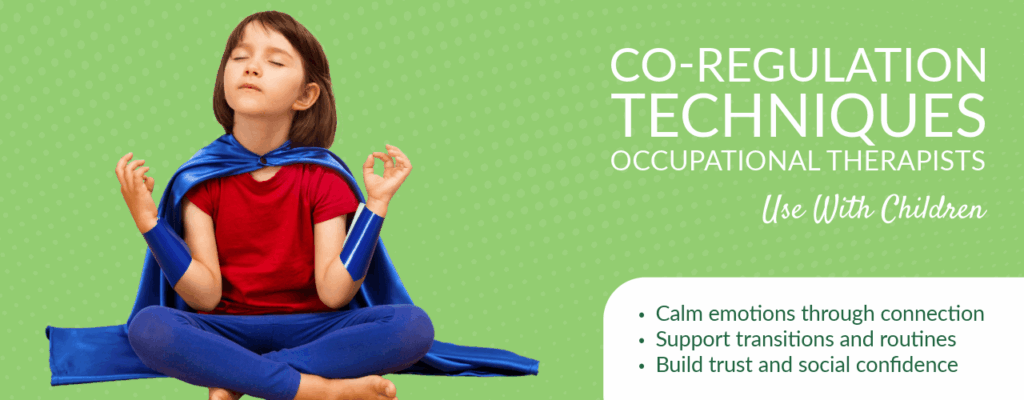
Helping children learn how to calm their bodies, manage emotions, and interact positively with others can be challenging. To help with this process, the occupational therapists at Flourishing Lives utilize co-regulation techniques. These techniques help children feel safe, understood, and capable of handling everyday routines, school expectations, and peer relationships.
Below, we answer common questions parents and caregivers often ask about how occupational therapists use co-regulation to support children’s growth and confidence.
Understanding Co-Regulation in More Depth
What does co-regulation mean?
Co-regulation is when a caring adult, such as a parent, teacher, or therapist, helps a child manage big feelings or challenging situations. Instead of expecting the child to calm down on their own, the adult offers comfort, structure, and guidance. Over time, children learn to use these strategies themselves, leading to independence in managing emotions and behavior.
How do occupational therapists use co-regulation in sessions?
Our occupational therapists create safe, play-based environments where children can practice handling emotions and stress. The therapist may:
- Model calm breathing or gentle movements.
- Offer sensory tools, like weighted blankets or fidget items.
- Guide the child through transitions, such as moving from play to cleanup.
Our goal is to build regulation skills step by step. We provide just enough support to help the child succeed, while slowly encouraging independence.
Why is co-regulation important for children with sensory or emotional challenges?
Children with sensory processing differences or similar challenges often struggle to regulate themselves. Co-regulation gives them a bridge. Instead of becoming overwhelmed, they receive external support that lowers stress and builds trust. This steady guidance strengthens emotional resilience and improves their ability to participate in school, play, and family life.
What kinds of co-regulation techniques are most effective?
At Flourishing Lives, we understand that every child is unique. Fortunately, several co-regulation techniques are available, and we’ll choose the ones that work best for each child’s specific needs and family goals, ensuring that strategies are practical for home, school, and social settings.
Here are some examples:
- Deep breathing or rhythmic activities to calm the body.
- Predictable routines that reduce uncertainty.
- Using visual schedules or timers to prepare for transitions.
- Gentle physical input, like rocking or applying calming pressure.
- Practicing positive self-talk with therapist support.
Can parents and caregivers learn these strategies, too?
Yes! One of the most powerful aspects of occupational therapy is family involvement. Our therapists often coach parents and caregivers on providing calming support at home. In fact, we actively include parents in sessions so families feel confident applying strategies in daily life.
For example, we can show you how to recognize early signs of stress or how to adopt a calm voice during meltdowns. Although simple, these strategies can help children feel safe and connected.
How does co-regulation support peer relationships?
When children learn to manage their emotions with adult guidance, they can participate more successfully in group play and social situations. Co-regulation helps them:
- Pause before reacting.
- Handle frustration during games.
- Stay engaged with peers even when things do not go as planned.
These skills make friendships more enjoyable and lasting, building confidence in social environments.
Will my child eventually learn to self-regulate without adult help?
That’s our ultimate goal. Co-regulation is a stepping stone toward self-regulation. As children practice calming strategies with therapist and caregiver support, they begin to use these tools on their own.
Over time, many children gain the confidence and independence needed to handle challenges without constant adult input.
How do I know if my child would benefit from occupational therapy for co-regulation?
If your child struggles with frequent meltdowns, difficulty transitioning between activities, or challenges getting along with peers, an evaluation with an occupational therapist may help. Therapists can determine whether co-regulation strategies and sensory supports would make daily life easier for your child and your family.
Let Us Help You Take the Next Step
Every child deserves to feel safe, understood, and capable of managing life’s ups and downs. Co-regulation techniques provide the foundation for that growth. If you are ready to learn more about how occupational therapy can help, contact Flourishing Lives today. Our team is here to guide you and your child with personalized support and care.