
Developing Fine Motor Skills Through Play
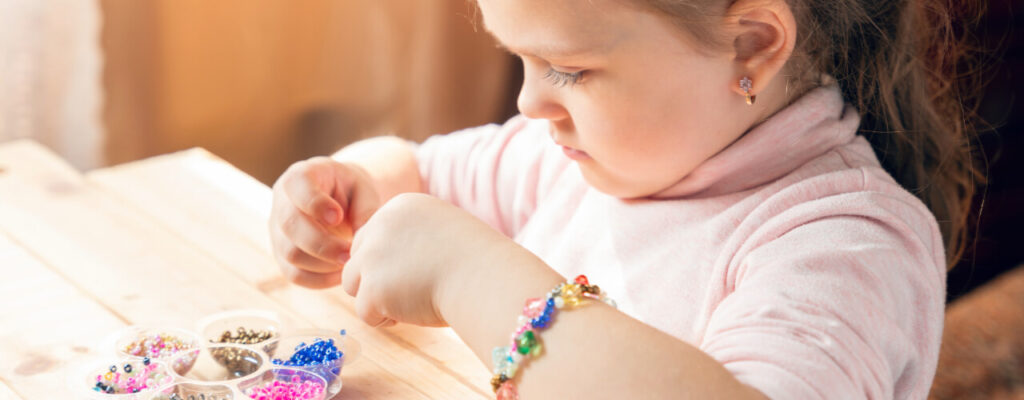
Fine motor skills are vital to a child’s growth, enabling them to perform everyday tasks like buttoning clothes, using utensils, and writing. At Flourishing Lives, we focus on helping children develop these skills in a way that feels fun, engaging, and tailored to their unique needs. Through play-based therapy, we create opportunities for children to strengthen their small muscle movements and boost their confidence and independence.
This post explores how Flourishing Lives‘s occupational therapists incorporate fine motor skill development into creative and playful activities that foster growth and resilience.
Why Fine Motor Skills Matter for Kids
Fine motor skills involve the precise movements of the hands and fingers. These skills go beyond just physical coordination; they contribute to a child’s overall independence, academic success, and emotional development. For instance, mastering tasks like cutting with scissors or stringing beads helps children gain a sense of accomplishment, which in turn fosters self-confidence and a positive self-image.
Our therapists at Flourishing Lives understand that each child learns differently. By using activities that align with their interests, we ensure that therapy is both effective and enjoyable. We believe that play-based activity is the key to unlocking a child’s full potential, as it makes learning engaging and provides them with skills they’ll use for a lifetime.
Play-Based Activities to Enhance Fine Motor Skills
At our clinic, we use a play-based approach to developing fine motor skills, where movement and engagement make learning natural and enjoyable. By incorporating these skills into active play, children build strength, coordination, and dexterity while having fun.
Building Strength Through Movement
Fine motor development thrives when children are actively engaged. We incorporate activities that challenge grip strength, coordination, and motor planning through dynamic play, such as:
- Holding trapeze bars – Encourages hand strength, endurance, and coordination.
- Ziplining – Requires grip control and core stability while engaging in exciting movement.
- Climbing rock walls and monkey bars – Strengthens fingers, hands, and arms while promoting problem-solving and motor planning.
- Using ropes to propel swings or assist with climbing – Develops bilateral coordination, grip strength, and upper body endurance.
- Engaging in activities with small stuffed animals – Activities like “animal rescues” on climbing structures promote dexterity, coordination, and imaginative play.
- Assisting with setting up and taking down suspension equipment – Adjusting suspension systems and manipulating carabiners builds hand strength, precision, and problem-solving skills.
- Engaging in regulatory activities on the oscillation table while using fine motor play in the bean pit – Scooping, pouring, and grasping small objects in a sensory-rich environment enhances coordination and hand function.
- Practicing functional skills – Buttoning, zipping, opening containers, and tying shoes while seated on the oscillation table to support sensory regulation and skill development.
By embedding fine motor challenges into active, play-based experiences, we create opportunities for children to develop essential skills in a way that feels fun and meaningful.
Everyday Tasks to Reinforce Fine Motor Skills
Beyond specific activities, we believe in the power of everyday tasks for fine motor skill development. Allowing children to engage in tasks like buttoning shirts, zipping jackets, and pouring water into a cup helps them apply their skills in real-life scenarios. These activities reinforce what they’ve learned in therapy and provide meaningful opportunities for practice.
Encouraging children to assist in the kitchen with stirring, rolling dough, or even simple tasks like peeling fruit also provides a practical way to develop fine motor coordination. At Flourishing Lives, we recommend that parents incorporate these tasks into their child’s routine to support continuous improvement and build independence.
Our Approach to Play-Based Fine Motor Development
Flourishing Lives is committed to making therapy enjoyable and engaging. We recognize that children thrive when they’re having fun, which is why each session is designed to feel like playtime. Our therapists take time to understand each child’s interests, creating a personalized experience that resonates with them. Whether it’s engaging in creative play or working on coordination tasks, we ensure that every activity is tailored to meet the child’s specific needs and developmental goals.
If you’re interested in learning how our team can help your child thrive, contact us today. We’re here to guide you and your child every step of the way, making therapy a fun and enriching experience!